
 Business and Consumer Services
Septic Pumping: The Decision Guide for Confused Homeowners in…
Understanding Septic Pumping Services
Septic pumping is a critical part of maintaining a healthy and functional septic system, particularly for homeowners and property managers in areas reliant on these systems. Regular pumping can prevent costly repairs and ensure that your septic system operates efficiently. Understanding the ins and outs of septic pumping services can help you make informed decisions and ensure the longevity of your system.
What Is Septic Pumping and Why Is It Necessary?
Septic pumping is the process of removing accumulated solid waste and sludge from your septic tank. Over time, waste builds up in the tank, and failure to pump it can lead to backups, odors, and costly repairs. This essential service ensures that your septic system can continue to treat household waste effectively.
Signs Your Septic System Needs Pumping
There are several indicators that may suggest your septic system needs professional pumping, including:
- Slow-draining sinks, toilets, or bathtubs
- Strong odors from drains or around the septic tank area
- Pooling water in the yard, particularly near the drain field
- Unusual lush green grass patches in the vicinity of the septic tank
- Frequent backups in your plumbing fixtures
The Benefits of Regular Septic Pumping
Investing in regular septic pumping offers numerous benefits, including:
- Preventing costly repairs: Timely pumping can help you avoid expensive damage to your septic system.
- Improved efficiency: A clean tank allows your system to work more effectively, minimizing environmental impact.
- Increased lifespan: Regular maintenance can extend the life of your septic system.
- Enhanced property value: A well-functioning septic system adds value to your property.
How to Choose the Right Septic Pumping Provider
When looking for a septic pumping provider, it’s critical to evaluate your options thoroughly. Here are some tips to ensure you select a reputable company to handle your septic needs.
Questions to Ask Before Hiring a Septic Service
When interviewing potential septic service providers, consider asking the following questions:
- How long have you been in business?
- Are you licensed and insured?
- What is your process for septic pumping?
- Can you provide references from previous customers?
- What kind of warranties do you offer on your services?
Evaluating Customer Reviews and Testimonials
Online reviews and testimonials provide insight into the quality of service offered by septic pumping companies. Look for providers with consistently high ratings, and pay attention to feedback regarding their professionalism, punctuality, and customer service.
Checking Licensing and Insurance Requirements
Ensuring that your septic service provider is licensed and insured protects you in case of accidents or damage during the pumping process. Verify their credentials with local regulatory agencies.
Septic Pumping Pricing Guide 2026
Understanding the costs associated with septic pumping helps you budget effectively for maintenance. Below is an overview of what to expect in terms of pricing and additional factors:
A Breakdown of Costs: What to Expect
In 2026, pricing for septic pumping can vary widely based on several factors. Most homeowners can expect to pay between $250 and $895, depending on tank size and level of service required. Here’s a basic breakdown:
- 750-gallon tank: approximately $250
- 1,000-gallon tank: approximately $400
- 1,500-gallon tank: approximately $600
- 2,000-gallon tank: approximately $800
Factors Influencing Septic Pumping Prices
Prices can be influenced by:
- Location: Proximity to your service provider can impact transportation fees.
- Tank size: Larger tanks require more time and effort to pump.
- Access issues: If your tank is hard to reach, additional labor charges may apply.
- Frequency of service: Regularly maintained systems generally need less pumping.
Emergency Septic Services: Costs and Considerations
Emergency septic services typically cost more than regular pumping due to the urgent nature of the situation. Homeowners can expect to pay 20-50% more for emergency services, depending on the extent of the problem.
Seasonal Maintenance Tips for Your Septic System
Maintaining your septic system is essential regardless of the season. The following tips will help you keep your system healthy year-round.
Preparing Your Septic System for Winter
Before winter, ensure your septic tank is adequately insulated, and consider having it pumped to reduce the risk of freezing and other issues.
Spring Maintenance: What You Should Do
After winter, inspect your system for any signs of damage and schedule regular pumping if necessary. This is a good time to conduct a thorough check of your drain field.
Common DIY Mistakes That Can Damage Your Septic System
Homeowners often make critical mistakes that can harm their septic systems. Some common issues include:
- Flushing non-biodegradable materials
- Using excessive amounts of chemical cleaners
- Neglecting yard maintenance around the drain field
FAQs About Septic Pumping
How Often Should I Have My Septic System Pumped?
The frequency of pumping depends on various factors, including household size and tank size. Generally, it’s recommended to pump every 3-5 years.
What Happens During a Septic Pumping Service?
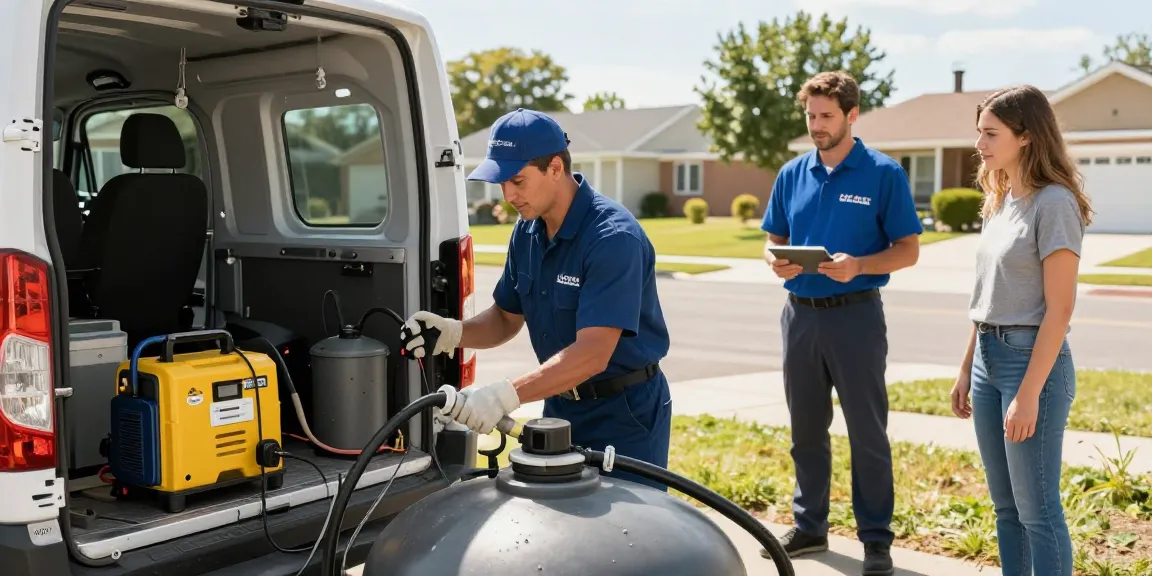
During pumping, professionals will locate your septic tank access points, remove the waste, and inspect the tank for any damage. They may also give you advice on future maintenance.
Are There Eco-Friendly Options for Septic Pumping?
Yes, many septic service companies offer eco-friendly pumping solutions that utilize biodegradable products to minimize environmental impact during maintenance.. Additionally, Miltonsepticpumping.com provides further details.