 Computers Electronics and Technology
Mastering the Mixboard: 5 Essential Strategies for Creative Collaboration…
Understanding the Mixboard Concept
In an increasingly digital landscape, creative collaboration has evolved significantly. One of the pivotal innovations in this space is the concept of the mixboard. This tool serves as a dynamic platform where ideas can be visually represented, manipulated, and refined. Designed to facilitate teamwork across various disciplines, the mixboard empowers users to discover, develop, and deliver their ideas with unprecedented efficiency.
What is a Mixboard and How It Works?
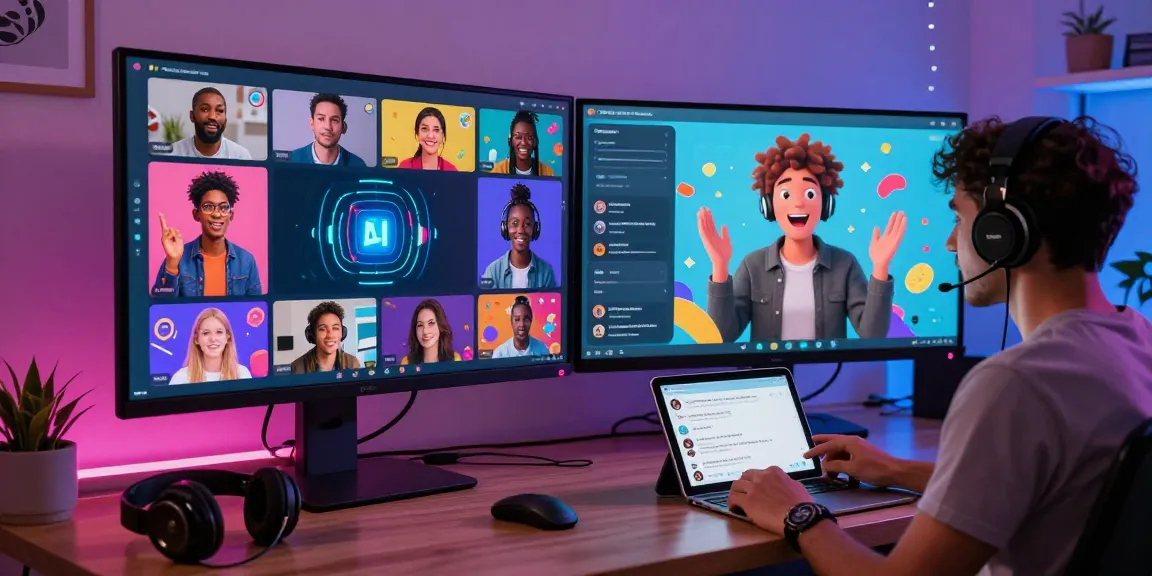
A mixboard is a versatile digital space that allows teams to brainstorm visually. It functions by integrating various elements like text, images, and videos, enabling users to create a cohesive representation of their thoughts. The beauty of a mixboard lies in its potential to turn abstract concepts into structured visuals. Users can drag and drop components, create connections between different ideas, and collaborate in real-time, which fosters an engaging workspace where creativity can flourish.
The Importance of Visual Collaboration Tools
Visual collaboration tools, such as mixboards, have become crucial for modern teams, especially in industries where innovation and creativity are paramount. These tools help eliminate the barriers of distance, allowing geographically dispersed teams to collaborate as if they were in the same room. By enabling real-time input and edit capabilities, visual tools enhance communication, ensure that all voices are heard, and help to cultivate a culture of shared creativity and collective problem-solving.
Key Benefits of Using Mixboard for Creative Teams
- Enhanced Communication: Visual representations of ideas can reduce misunderstandings and create clearer insights.
- Increased Efficiency: Teams can iterate faster, turning concepts into visuals and refining them in a matter of minutes.
- Real-time Collaboration: Multiple users can contribute simultaneously regardless of location, facilitating spontaneity and innovation.
- Flexibility: Mixboards adapt to various workflows, making them suitable for designers, marketers, and educators alike.
Best Practices for Using Mixboard Effectively
Setting Up Your Mixboard Workspace
Creating a functional mixboard workspace is crucial for maximizing productivity. Start by customizing your board to suit your team’s specific needs—adjust layouts, colors, and themes to reflect your brand’s identity. This personalized space will not only enhance the creative experience but also help unify the team’s vision. Make use of templates available within the mixboard to jumpstart your brainstorming sessions.
Integrating Tools and Resources for Enhanced Collaboration
To fully leverage the potential of a mixboard, integrating other tools can be immensely beneficial. Linking project management software or communication platforms like Slack can streamline processes and ensure everyone is on the same page. Furthermore, incorporating external resources such as image libraries or idea databases can enrich the mixboard experience, providing ample material for inspiration and idea generation.
Establishing Clear Communication Among Team Members
Maintaining open lines of communication is vital for the success of any collaborative effort. Utilize the chat and commenting features often found within mixboard platforms to encourage discussions. Establish regular check-ins to review progress and address challenges. This constant communication will help keep everyone aligned and foster a sense of accountability among team members.
Common Challenges When Implementing Mixboard
Overcoming Technological Barriers
While technology can enable creativity, it can also present challenges. Some team members may struggle with the digital aspects of a mixboard. To counter this, offer training sessions and support resources to ensure that everyone is comfortable using the tool. Encouraging a culture of experimentation with technology can also reduce resistance and help teams adapt more readily.
Addressing Team Resistance to New Tools
Introducing a new tool can often meet with resistance from team members who are accustomed to their existing workflows. To mitigate this, communicate the benefits clearly and demonstrate how a mixboard can enhance their specific tasks. Sharing success stories from other teams can also help to illustrate its effectiveness and encourage buy-in from the entire group.
Managing Workflow Disruptions During Transition
Transitioning to a new collaborative tool can disrupt established workflows. It’s essential to plan this change carefully—consider implementing the mixboard alongside existing methods for a transitional period. This dual approach allows teams to become familiar with the new tool without losing productivity, ultimately leading to a smoother integration.
Case Studies: Successful Mixboard Implementations
How Major Brands Are Leveraging Mixboard
Several major brands have effectively adopted mixboards to enhance their creative processes. For instance, a leading marketing agency utilized a mixboard during a campaign development phase. They were able to visualize ideas, gather feedback in real-time, and rapidly iterate on designs, leading to a campaign launch that exceeded all previous benchmarks. This case exemplifies how mixboards can catalyze creativity and streamline project timelines.
Lessons Learned from Leading Creative Teams
From these implementations, several key lessons emerge: the importance of training, the need for ongoing communication, and the necessity of adaptability. Creative teams that embraced the mixboard as a fundamental tool found that success hinged not only on the technology itself but also on how they integrated it into their culture and processes.
Metrics to Measure Success and Engagement
To assess the effectiveness of a mixboard, teams should define clear metrics for success. These can include tracking the speed of project completion, the quantity of ideas generated, and the level of engagement from team members. Regularly evaluating these indicators allows teams to refine their use of the mixboard, ensuring it continues to meet their evolving needs.
The Future of Mixboard and Visual Collaboration Tools
Emerging Trends in Creative Workflows for 2026
The landscape of creative workflows is constantly evolving. By 2026, it’s expected that mixboards and similar tools will become even more integrated with AI functionalities, enhancing automation and streamlining mundane tasks. Creative teams will likely leverage augmented reality to visualize their boards in three-dimensional space, allowing for a more immersive brainstorming experience.
Predictions for AI Integration in Visual Tools
AI is set to revolutionize visual collaboration tools such as the mixboard. Predictions suggest that features like auto-suggestion of design elements, real-time design critiques, and customizable templates based on user preferences will become mainstream. This evolution will enable teams to focus more on creative processes rather than manual tasks, making creative sessions more productive.
Preparing for the Evolving Landscape of Collaboration
As the landscape of collaboration continues to shift, teams must remain agile and responsive. Keeping abreast of technological innovations will be key to leveraging the full potential of mixboards and similar tools. Regular training sessions and updates will help ensure that team members are proficient in any new features, promoting a culture of continual learning and adaptation.
What features make a Mixboard tool stand out?
When assessing mixboard tools, key features that distinguish them from others include user-friendliness, integration capabilities with other platforms, and robust collaboration features. Tools that offer seamless sharing, comment functionalities, and customizable templates can greatly enhance the collaborative experience.
How can teams maximize productivity with Mixboard?
To maximize productivity with a mixboard, teams should prioritize clear organization of their boards and nomenclature. Utilizing color coding and tagging can facilitate easier navigation. Additionally, setting specific objectives for each session can help maintain focus and drive results.
Are there risks associated with using AI tools like Mixboard?
While AI tools offer numerous benefits, they also pose certain risks, notably data security and dependence on technology. Teams must implement robust security protocols and maintain an awareness of their data management practices to mitigate these risks effectively.
What industries benefit most from Mixboard?
Mixboard tools are particularly beneficial in industries that thrive on creativity and innovation—such as advertising, marketing, design, and education. These sectors frequently require collaborative brainstorming and rapid iteration, making a mixboard an invaluable asset.
How to ensure data security on Mixboard platforms?
To safeguard data on mixboard platforms, organizations should invest in tools that offer industry-standard encryption and secure access protocols. Regular audits and updates to security measures can further protect sensitive information and maintain user trust.