 Home and Garden
Creating Your Dream Cape Cod Home Addition: Design Ideas…
Understanding the Cape Cod Home Addition
What is a Cape Cod Home Addition?
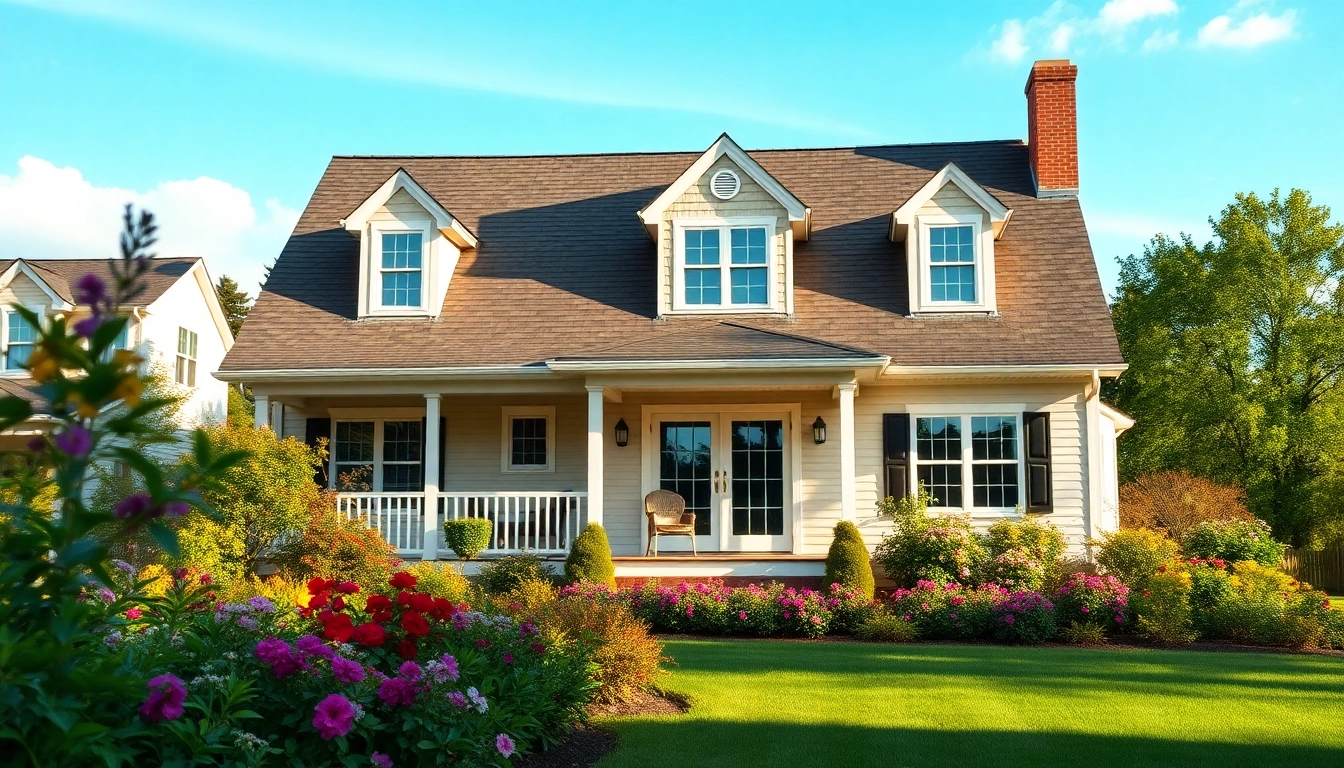
A Cape Cod home addition is an expansion tailored to fit the iconic architectural style characterized by steep roofs, dormer windows, and a symmetrical façade. These additions can blend seamlessly with the original structure, enhancing the living space while preserving the home’s classic charm. Often, homeowners opt for Cape Cod home additions to create more functional spaces, such as additional bedrooms, a larger living area, or even an attached garage that matches the traditional allure of the architecture. If you’re thinking about expanding your Cape Cod residence, it’s crucial to understand how these enhancements can harmonize with your existing design.
Benefits of a Cape Cod Home Addition
There are numerous benefits to investing in a cape cod home addition. Primarily, they allow you to expand your living space without the need to uproot and relocate. This investment can enhance your property’s functionality, whether it’s for increased storage, extra rooms, or larger living areas. Additionally, a well-planned addition can significantly boost your home’s market value, providing a strong return on investment when it comes time to sell. Aesthetically, well-designed additions can complement your home’s natural characteristics, preserving the charm while tailoring it to modern needs.
Common Styles for Cape Cod Home Additions
Homeowners have a variety of styles to choose from when planning a Cape Cod home addition. Some popular styles include:
- Single-Story Extensions: These are typically added to the rear or side of a home and can include open-plan designs that flow seamlessly into the existing structure.
- Second-Story Additions: By adding a second level, homeowners can significantly increase their living space without expanding the home’s footprint.
- Garage Additions: Integral for many families, a garage can be constructed adjacent to the home for convenience and aesthetic continuity.
- Sunrooms: These versatile spaces allow for natural light while providing a cozy nook for relaxation or entertaining.
Planning Your Cape Cod Home Addition
Key Considerations for Your Project
Planning a Cape Cod home addition necessitates careful consideration of various factors including the desired size and function of the space. Homeowners should take into account the following:
- Location: Assess how the addition will impact the overall flow of your home and the surrounding environment.
- Functionality: Determine the primary purpose of the addition—be it for a larger family area, additional bedrooms, or storage needs.
- Aesthetics: Ensure that the design complements the existing home style, particularly the rooflines and exterior materials.
Permitting and Zoning for Additions
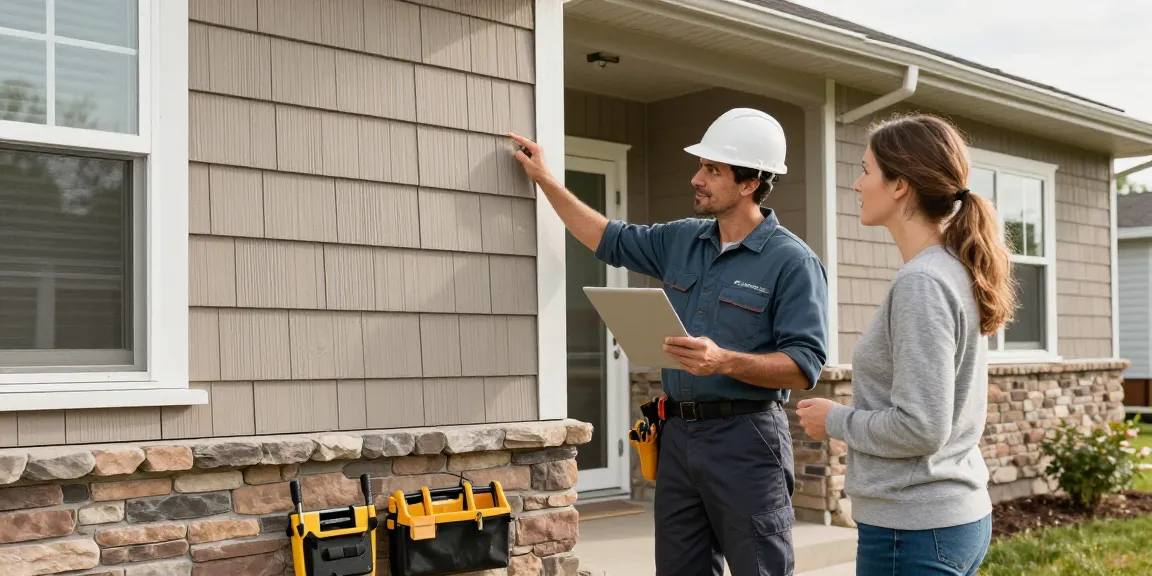
Before commencing any construction, homeowners must familiarize themselves with local zoning laws and permitting processes. Each municipality has its own set of regulations regarding home expansions, which may dictate the size, height, and placement of the addition. Navigating these legalities is essential to avoid costly delays and rework. Engaging an architect familiar with local codes can significantly streamline this process.
Budgeting for a Cape Cod Home Addition
Establishing a realistic budget is critical for the success of your Cape Cod home addition. Consider all costs associated with the project, including materials, labor, permits, and unforeseen expenses. A well-prepared budget will help you allocate funds effectively and avoid the common pitfalls of overspending. It’s often wise to set aside an additional 10-15% of your total budget for unexpected costs that may arise during construction.
Designing Your Cape Cod Home Addition
Choosing the Right Materials
The selection of materials plays a pivotal role in ensuring that your new space aligns with the traditional characteristics of Cape Cod homes. Common materials include:
- Wood Siding: A prevalent choice that offers longevity and aesthetics. Natural finishes often add charm while ensuring durability.
- Shingle Roofing: Authentic Cape Cod homes typically feature cedar shingles, which enhance the coastal vibe and improve weather resistance.
- Energy-Efficient Windows: High-quality, energy-efficient windows not only complement the style but also enhance insulation.
Incorporating Natural Light
Light is a crucial element in creating inviting spaces. Strategies to incorporate natural light include:
- Skylights: Ideal for adding brightness without compromising wall space.
- Large Windows: Use of expansive windows or sliding doors can create a seamless transition between indoors and outdoors.
- Open Floor Plans: Designing an open layout can allow for better light distribution throughout the entire space.
Maximizing Space in Your Design
Effective design is crucial for maximizing the usability of your Cape Cod home addition. Consider implementing:
- Multipurpose Rooms: Consider spaces that serve multiple functions, like a guest room that doubles as an office.
- Built-In Storage: Tailor storage solutions, such as built-in shelves or cabinets that blend seamlessly into the design.
- Vertical Space: Utilize taller cabinets or open shelving to draw the eye upward, making the space feel larger.
Executing Your Cape Cod Home Addition
Selecting Contractors and Builders
The success of your project largely hinges on choosing the right contractors and builders. Look for professionals who have experience with Cape Cod-style homes. Request portfolios to assess their previous work and consider value-based comparisons rather than opting for the lowest bid to ensure quality workmanship.
Timeline for Your Project
Establishing a timeline is imperative for managing expectations throughout the construction process. While the duration of a Cape Cod home addition project can vary based on scope and complexity, a typical project may take 3-6 months from initial design to completion. Clear communication with your contractors will help keep the project on track.
Managing Challenges During Construction
Construction projects often encounter challenges. To mitigate issues, keep a proactive mindset:
- Regular Updates: Schedule consistent updates and meetings with your contractor to address any changes or complications in a timely manner.
- Flexibility: Be prepared to adjust plans if unforeseen issues arise, ensuring safety and quality aren’t compromised.
- Stay Informed: Understanding the process can help you identify potential bottlenecks or delays before they escalate.
FAQs About Cape Cod Home Additions
What are the most popular features in a cape cod home addition?
Popular features include large windows for natural light, open floor plans for spaciousness, multi-functional rooms, and built-in storage options that complement the Cape Cod aesthetic.
How can I increase the value of my cape cod home addition?
Enhancing value can be achieved by prioritizing quality materials, ensuring cohesive design that fits existing architecture, and incorporating features that boost functionality, such as extra bedrooms and modern amenities.
What design styles work well with cape cod additions?
Design styles that integrate well include traditional New England aesthetics, modern farmhouse influences, and transitional designs, all emphasizing clean lines and natural materials.
Do I need a permit for a cape cod home addition?
Yes, most regions require permits for home additions to ensure compliance with zoning laws and building codes. Always check local regulations before starting construction.
How long does it take to complete a cape cod home addition?
The timeline for completion varies based on size and complexity; typically, it ranges from 3 to 6 months from design to finalization. Early planning can help streamline this process.