
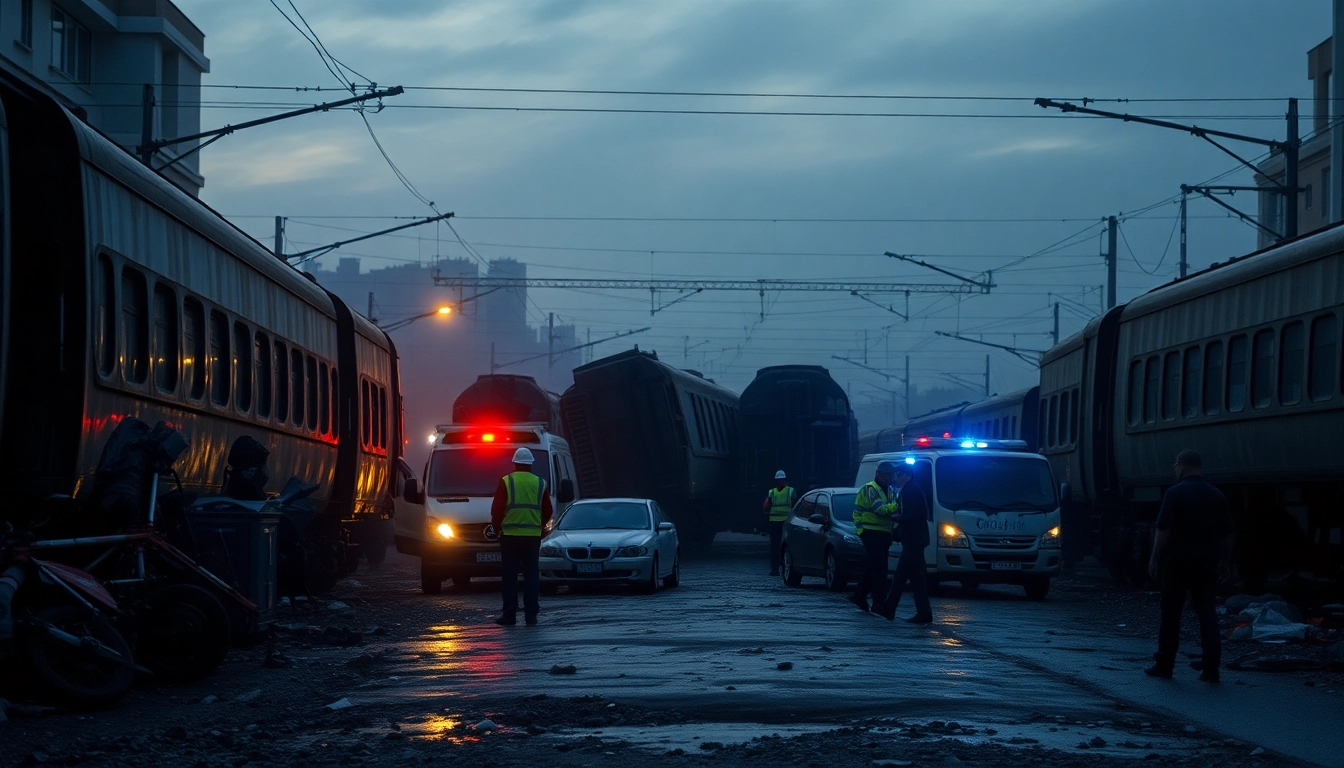
Introduction to the Spain Train Crash
Overview of the Incident
The spain train crash refers to a disastrous rail incident that captured national and international attention due to its severe repercussions. This incident involved a high-speed train that went off the rails, resulting in tragic loss of life, numerous injuries, and a significant impact on the families of those affected. What transpired on that day is essential to understand, as it highlights the vulnerabilities inherent in rail systems and the importance of safety measures and regulations.
Historical Context of Train Safety
The history of train travel is marked by advancements in technology, yet it is also defined by moments of tragedy. Train accidents have frequently shaped policies regarding railway safety. Over the decades, several high-profile train accidents across the globe have prompted governments to reevaluate and enhance their safety regulations and protocols. The Spain train crash fits into this historical context as a crucial event that fueled discussions about the modern railway infrastructure and the lessons that could be derived from past mistakes.
Geographical Factors Involved
The geographical context of the Spain train crash also played a vital role in the incident. The terrain of the region where the crash occurred, paired with the weather conditions at the time, contributes to the complexities of train safety. Specifically, factors such as the incline of the tracks, curvature, and surrounding environment can affect train operations significantly. Understanding these geographical dynamics is crucial for comprehensive analysis and future railway safety improvements.
Causes of the Spain Train Crash
Mechanical Failures
One of the primary causes of the Spain train crash was mechanical failures in the train system. Over time, wear and tear on braking systems, signals, and track conditions can lead to catastrophic breakdowns. Post-accident investigations often focus on the maintenance protocols and repair records of the train involved. Such mechanical failures can arise from inadequate inspections or the use of outdated technologies, emphasizing the need for regular checks and innovations in train mechanics.
Human Error Analysis
Another significant factor contributing to the Spain train crash was human error. Analyzing the decisions made by train conductors, safety personnel, and operational staff was crucial in identifying lapses that may have precipitated the accident. Human factors can include misjudgment during operations, inadequate training for staff, and insufficient communication protocols. Thus, addressing human error and enhancing training programs are essential steps toward improving overall railway safety.
Weather and Environmental Influences
Adverse weather conditions can pose serious risks to train operations. In the case of the Spain train crash, conditions such as heavy rain, floods, or snow may have adversely affected visibility and traction. Environmental influences, including track deformation or obstructions, must be analyzed to prevent similar incidents from occurring in the future. A comprehensive review of how weather interacts with rail operations is imperative for developing more effective safety protocols.
Impact on Victims and Families
Psychological Aftermath
The aftermath of the Spain train crash had profound psychological impacts on survivors and the families of victims. Grief and trauma can manifest in various ways, prompting the need for long-term psychological support. Establishing institutions and programs dedicated to providing counseling and emotional support helps mitigate lasting effects and assists families in processing their grief and rebuilding their lives.
Legal Repercussions
The legal implications following the Spain train crash extended beyond immediate responses. Questions surrounding liability for the mechanical failures and human errors raised the need for significant investigations. Families of victims often seek justice through legal avenues, and this not only assists them in finding closure but also encourages improvements in safety regulations and practices across the rail industry.
Community Support Initiatives
In the wake of tragedy, community support initiatives play an essential role in aiding victims’ families. Community leaders and organizations often come together to provide financial assistance and emotional support through fundraising efforts and awareness campaigns. Mobilizing communal resources not only eases the burden on affected families but also fosters solidarity and resilience in the face of tragedy.
Lessons Learned from the Spain Train Crash
Improving Train Safety Regulations
The Spain train crash underlined the urgent need for revised safety regulations in the rail industry. Enhanced protocols can include more stringent maintenance checks, better training for operators, and updated safety technologies. Examining past accidents and continuously revising safety measures help cultivate a culture of safety that prioritizes passenger well-being above all else.
Technological Innovations in Rail Systems
Advancements in technology provide promising avenues for improving railway safety. Incorporating automation, enhanced signaling systems, and real-time monitoring of train conditions are essential developments. Moreover, developing predictive maintenance technologies using AI can foresee potential issues before they escalate into serious threats. Embracing these innovations forms a cornerstone of modern rail safety.
Public Awareness Campaigns
Public awareness campaigns aimed at educating passengers and staff about safety protocols can significantly reduce risks associated with train travel. Broader societal understanding of safety practices encourages a culture of vigilance and ensures that communities remain engaged in discussions around transport safety. Programs that target awareness enhance the overall effectiveness of safety strategies and cultivate communal responsibility.
Frequently Asked Questions
What happened during the Spain train crash?
The Spain train crash involved a collision that resulted in significant casualties and injuries, drawing national attention and prompting investigations.
What were the main causes identified?
Investigations highlighted mechanical failures, human error, and adverse weather conditions as critical factors contributing to the crash.
How have victims' families been supported?
Families of victims received emotional and legal support from various organizations and community initiatives aimed at aiding those affected.
What measures are being taken to improve safety?
The government and rail authorities are implementing stricter safety regulations and promoting technological advancements in train systems.
Where can I find more information about train safety?
Information on train safety can be found through government resources, rail safety organizations, and public awareness campaigns.