Introduction to Sliding Shower Screens
In modern bathroom design, maximizing both aesthetics and functionality is of paramount importance. One way to achieve this balance is through the use of sliding shower screens. These stylish and efficient partitions not only enhance the visual appeal of a bathroom but also optimize space, making them an ideal choice for various layouts.
What Are Sliding Shower Screens?
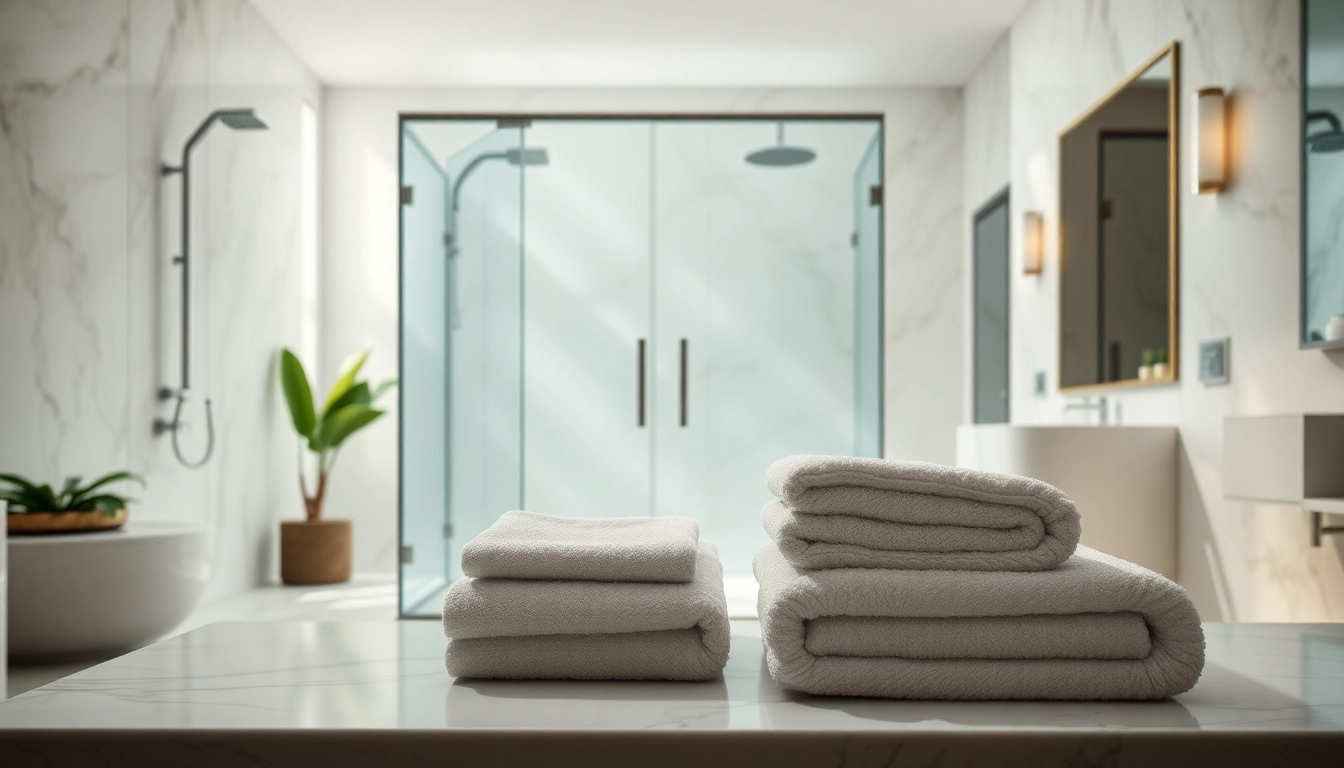
Sliding shower screens are glass panels that operate by sliding along a track, offering a seamless way of separating the shower area from the rest of the bathroom. Unlike traditional hinged doors, which swing open, sliding screens conserve space while providing accessibility. They can be constructed from various materials, including tempered glass, and come in various designs ranging from minimalist to ornate styles. With a focus on functionality, they cater to both small and large bathrooms, adapting to user needs.
Benefits of Sliding Shower Screens
The popularity of sliding shower screens can be attributed to several key advantages:
- Space Efficiency: Sliding doors do not require additional space to swing open, making them perfect for compact bathrooms.
- Modern Aesthetic: They contribute to a sleek, contemporary look, enhancing the overall decor of your bathroom.
- Easy Access: Individuals can easily enter and exit the shower without door interference, which is particularly beneficial in family bathrooms.
- Low Maintenance: Most sliding shower screens are designed to be easy to clean, requiring only a regular wipe-down to maintain their clarity and shine.
- Customizable Options: They can be tailored to fit any bathroom size and style, offering numerous glass and frame finishes.
Common Materials Used in Sliding Shower Screens
Sliding shower screens are typically made from materials that not only enhance their durability but also add to the visual appeal. Common materials include:
- Tempered Glass: This safety glass is resistant to thermal shock and less likely to shatter, providing safety and longevity.
- Acrylic: Lightweight and shatter-resistant, acrylic is an affordable alternative that mimics the look of glass.
- Aluminum Frames: Often used for support, these frames are lightweight, corrosion-resistant, and can be finished in various colors.
- Stainless Steel: This material offers a sleek appearance while ensuring strength and durability, preventing rust over time.
Choosing the Right Sliding Shower Screens
When selecting the perfect sliding shower screens for your bathroom, there are several factors to consider to ensure both functionality and style align with your vision.
Size Considerations for Sliding Shower Screens
Before making a purchase, measure the designated area accurately. Consider the following:
- Shower Space: Determine the dimensions of your shower area to select screens that fit seamlessly without overcrowding.
- Door Width: Standard door widths range from 48 to 60 inches—the wider the door, the easier access for multiple users.
- Height: Screens generally range from 72 to 78 inches. Select a height that complements your bathroom design while providing adequate coverage.
Styles and Designs for Every Bathroom
Sliding shower screens come in various styles that suit different tastes and bathroom themes:
- Framed Sliding Screens: These feature a reinforced frame, offering a sturdier option and a range of finish choices.
- Frameless Designs: Providing a minimalist look, frameless designs emphasize transparency, creating an open feel.
- Hinged Screens: Although primarily used as doors, these can be paired with sliders for a custom layout.
- Textured Glass: For added privacy, textured and patterned glass options are available and add a unique aesthetic element.
Custom vs. Pre-Made Options
Deciding between custom and pre-made sliding shower screens can significantly impact both cost and satisfaction:
- Pre-Made Options: These are typically more affordable and available in standard sizes and designs. They work well for bathrooms with standard dimensions.
- Custom Designs: For unique spaces, custom screens ensure a perfect fit and personalization, from size to style, but may incur higher costs.
Installation Process of Sliding Shower Screens
Proper installation is crucial for the functionality and longevity of sliding shower screens. Here, we provide a detailed guide to help you understand the installation process.
Preparing Your Bathroom for Installation
Before installation begins, take the following steps:
- Clear the Area: Remove any items from the shower area to allow unobstructed access.
- Check Walls and Floors: Ensure that the surfaces where the screens will be installed are flat and clean.
- Ensure Water Supply is Off: If relocating existing fixtures, turn off the water supply to avoid leaks during installation.
Tools Required for Installation
Having the right tools ready can make installation more manageable:
- Measuring tape
- Level
- Drill
- Screwdrivers
- Silicone sealant
- Safety goggles and gloves
Step-by-Step Guide to Installing Sliding Shower Screens
Follow these steps for a successful installation:
- Measure and mark where the top track will mount.
- Install the wall brackets with screws, ensuring they are level for smooth sliding.
- Attach the top track to the wall brackets securely.
- Install the rollers on the top of the screen panels before hanging them on the track.
- Fit the bottom guide rails and ensure the panels slide smoothly.
- Seal the edges with silicone to prevent water leakage.
Maintenance Tips for Sliding Shower Screens
Maintaining your sliding shower screens is essential for their longevity and performance. Here are some tips to keep them in top shape:
Cleaning and Care Instructions
Regular cleaning avoids soap scum build-up, ensuring clarity and shine:
- Use a gentle glass cleaner or natural solutions like vinegar and baking soda.
- Wipe down the screens after each use to prevent minerals from collecting.
- For tough stains, consider using a non-abrasive scrubber to avoid scratches.
Preventing Common Issues
Preventing problems such as leaks and misalignment should be a priority:
- Regularly check the rollers for debris, and clean as necessary for smooth operation.
- Inspect seals for signs of wear or damage, replacing them promptly to prevent leaks.
- Check alignment periodically, adjusting as necessary to ensure doors slide properly.
When to Seek Professional Help
If you encounter issues beyond basic maintenance or installation, it may be time to seek assistance:
- If glass screens show signs of cracking or significant damage.
- When encountering persistent leaks that cannot be resolved with standard repairs.
- If installation leads to operational issues due to misalignment or heavy-duty adjustments.
Frequently Asked Questions about Sliding Shower Screens
Are sliding shower screens good?
Yes, sliding shower screens are excellent for optimizing space and offer easy access to the shower area. Their sleek design can enhance any bathroom aesthetic.
What are the costs of sliding shower screens?
The cost of sliding shower screens can range widely based on materials and designs, typically between $700 to $2,000, depending on customization.
How do sliding shower screens improve bathroom space?
Sliding shower screens take up less space compared to traditional doors, which require clearance for swinging open, making them perfect for small bathrooms.
Can sliding shower screens be customized?
Yes, sliding shower screens can be customized in terms of size, style, and glass type to perfectly fit your specific bathroom design and personal preferences.
What maintenance do sliding shower screens require?
Basic maintenance involves regular cleaning to avoid soap scum buildup and checking seals and rollers for any wear or misalignment.