Understanding the Basics of Fly Tying
Fly tying is an age-old angling craft that involves creating artificial flies used for catching fish. Whether you’re a novice or seasoned angler, mastering the art of fly tying can elevate your fishing experience significantly. With the right techniques and materials, you can craft flies that imitate a multitude of aquatic life forms. In this comprehensive guide, we'll delve into essential tools, basic techniques, and material selection, ensuring you have everything needed to get started on your fly tying journey. For those keen on exploring the wide world of fly tying, the skills you learn here will serve as a solid foundation.
Essential Tools for Fly Tying
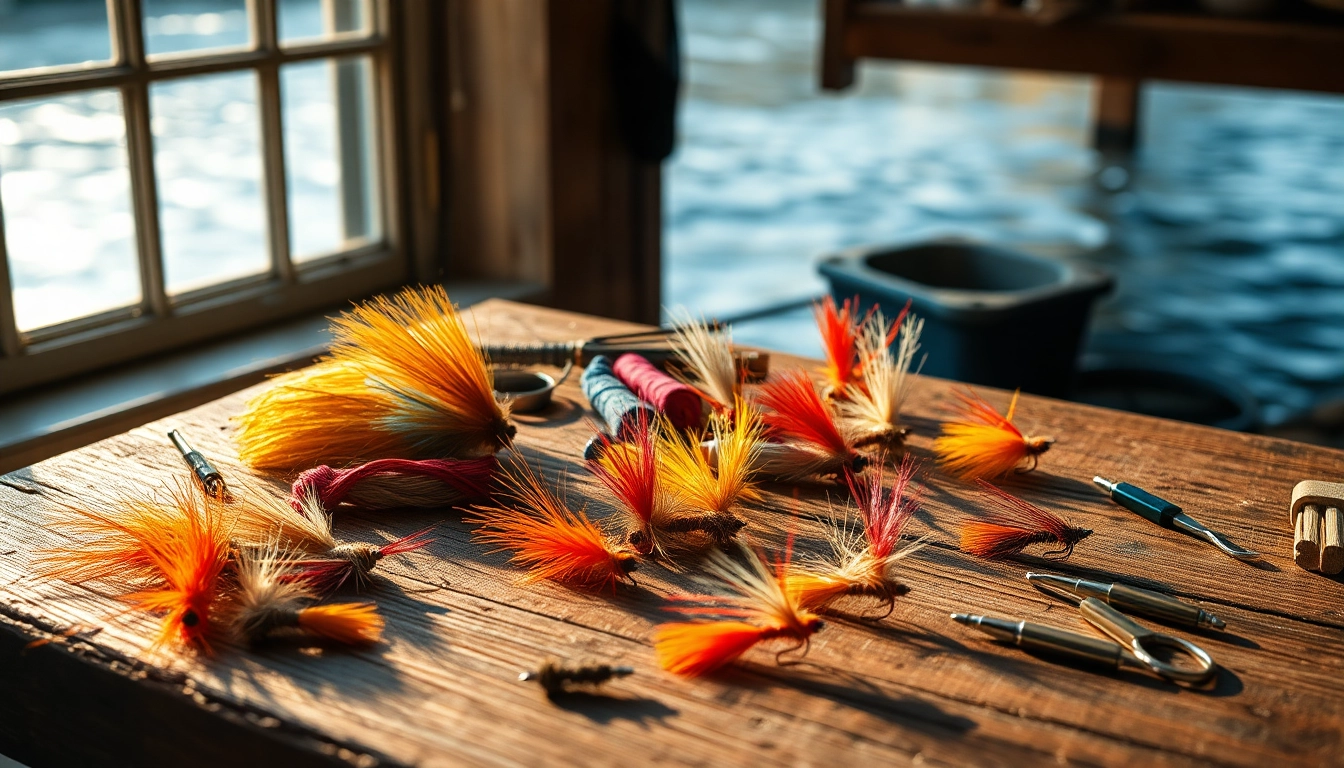
To embark on your fly tying adventure, you'll need a specific set of tools designed to streamline the process. Here’s a breakdown of essential tools:
- Vise: Holds the hook in place while you work. A quality vise should provide stability and allow for easy adjustments.
- Scissors: Precision scissors are crucial for trimming materials exactly as needed.
- Bobbin: Holds the thread and allows for easy dispensing while keeping tension.
- Hackle pliers: Enables you to handle delicate feathers and materials without damaging them.
- Whip finisher: Secures the thread at the end of your fly, preventing unraveling.
Getting familiar with these tools will ensure you tie flies efficiently and effectively. Each tool plays a critical role, and understanding their functions and best practices will enhance your skills tremendously.
Basic Techniques Every Beginner Should Know
There are fundamental techniques that every beginner should master to build a strong foundation in fly tying:
- Thread Management: Maintaining tension on the thread is key to ensuring your fly holds together.
- Wrapping Techniques: Learning how to wrap thread and materials correctly will help you create professional-looking flies.
- Securing Materials: Properly securing feathers and other materials is essential to maintaining the durability of your flies.
- Finishing Techniques: Understanding whip finishing or applying head cement will finalize your flies successfully.
Dedicating time to practice these techniques can significantly improve your tying quality, turning simple creations into intricate works of art.
Choosing the Right Materials for Fly Tying
Material selection in fly tying is pivotal, as the quality and type of materials can influence the effectiveness of your flies.
The main categories of materials include:
- Thread: Often made of nylon or polyester, choose a thread that suits the size of the fly you are tying.
- Hook: Hooks come in various shapes and sizes and should match the fly pattern you are trying to recreate.
- Body Materials: Options include chenille, wire, and fur; these create the body of the fly.
- Wing and Tail Materials: These can be feathers or synthetic fibers that mimic movement in water.
Understanding how different materials affect the fly's behavior in water will enhance your fly tying capabilities, allowing you to tailor designs to specific fishing conditions.
Exploring Different Fly Patterns
Exploring fly patterns is essential for effective fishing. Understanding the nuances between different types of flies can provide a strategic advantage in various fishing environments.
Dry Flies vs Wet Flies: What’s the Difference?
Dry flies are designed to float on the water surface, imitating insects in their adult stage. Techniques for tying dry flies often involve creating a buoyant body and selecting light materials to ensure they stay afloat.
In contrast, wet flies are intended to sink below the surface and mimic aquatic insects or fish prey. The tying techniques for wet flies often involve heavier materials that allow the fly to behave like a bug struggling in the water.
Popular Patterns for Freshwater Fishing
For freshwater fishing, some of the most popular fly patterns include:
- Adams: A classic dry fly that imitates several insects.
- Woolly Bugger: This versatile wet fly attracts a variety of species with its sinuous movements.
- Elk Hair Caddis: Ideal for imitating caddisflies and is particularly effective during hatches.
Practicing these patterns can prepare you to tackle a diverse range of fishing scenarios.
Saltwater Fly Patterns for Coastal Adventures
Saltwater fishing requires specialized patterns designed to withstand ocean conditions and mimic marine life.
Notable saltwater fly patterns include:
- Puglisi Baitfish: Designed to mimic small baitfish in various coastal ecosystems.
- Clouser Minnow: A weighted fly that allows for deep drops, making it effective for various species.
- Deceiver: An excellent choice for predatory fish due to its realistic swimming action.
These patterns often require advanced tying techniques and knowledge of marine habitats to be effectively deployed.
Advanced Fly Tying Techniques
Once you have a grasp of the basics, you can explore advanced fly tying techniques to expand your skills and creativity.
Incorporating Specialty Materials
Specialty materials, such as flashibou or rabbit strips, can add depth and realism to your flies. Understanding how to incorporate these materials into your patterns will enhance their visual appeal and effectiveness in the water.
Creating Custom Patterns
Creating custom fly patterns is where your creativity shines. Using knowledge of local aquatic life and the principles of effective tying, you can innovate and develop patterns tailored to specific fishing environments. Consider adopting a hybrid approach, combining elements from different patterns to create your own signature fly.
Tips for Improving Your Skills
To elevate your fly tying skills, consider these tips:
- Practice Regularly: Consistent practice enables you to refine your techniques and develop muscle memory.
- Join a Community: Engaging with other fly tyers can provide inspiration, feedback, and shared knowledge.
- Study Advanced Techniques: Watch online tutorials or attend workshops to learn from experienced fly tyers.
Continuous learning and practice will set you on the path to becoming a proficient fly tyer.
The Art of Fly Tying Design
The aesthetic aspect of fly tying can be as rewarding as its functional aspects. The art of design incorporates various principles that dictate how a fly looks and performs.
Understanding Color Theory in Fly Design
Color plays a critical role in attracting fish. Understanding color theory helps you choose the right hues for your flies, based on the species you target and local water conditions. Bright colors can attract attention in murky waters, while more natural tones can work better in clear conditions.
Balancing Form and Function
The balance between form and function is vital. Your flies should not only look appealing, but they must also function effectively in water. Aim to create designs that mimic movement and behavior of natural prey successfully.
Inspiration from Nature for Unique Designs
Nature is an endless source of inspiration. Observing insects, aquatic creatures, and their movements can provide ideas for new fly patterns. Attempt to replicate what you observe in your tying to maximize effectiveness.
Maintaining and Storing Your Fly Creations
After investing time and effort into crafting flies, proper maintenance and storage are essential to ensure they last. Implementing best practices will keep your flies in pristine condition for future fishing trips.
Best Practices for Fly Preservation
To preserve the integrity of your flies, avoid exposing them to extreme heat or humidity. After fishing, rinse them with fresh water and air dry to prevent corrosion and deterioration.
Organizing Your Fly Collection
Having an organized fly collection allows you to access your flies quickly and efficiently. Use a tackle box or fly wallet with labeled compartments to categorize your flies by patterns or sizes.
Key Tips for Travel with Your Flies
When traveling, ensure your flies are securely packed in a dedicated container to avoid damage. Consider using a fly box with foam inserts that hold hooks firmly. This will prevent them from getting tangled and ensure they remain in good condition during transit.
FAQs about Fly Tying
1. What is fly tying?
Fly tying is the process of creating artificial flies used in fishing to attract and catch fish, typically involving hooks and materials that replicate aquatic life.
2. Do I need special tools for fly tying?
Yes, you need specific tools like a vise, bobbin, scissors, and whip finisher to tie flies effectively and efficiently.
3. What materials do I need to start fly tying?
Essential materials include threads, hooks, body materials, tail and wing materials. You can expand your collection as you advance.
4. How long does it take to learn fly tying?
Learning to tie flies can vary in time, from a few weeks for basics to several months or years for advanced techniques and custom patterns.
5. Can I sell my tied flies?
Yes, many fly tyers sell their creations. Ensure quality and compliance with local regulations before starting a business in fly tying.