Understanding Rope Bridge Design Principles
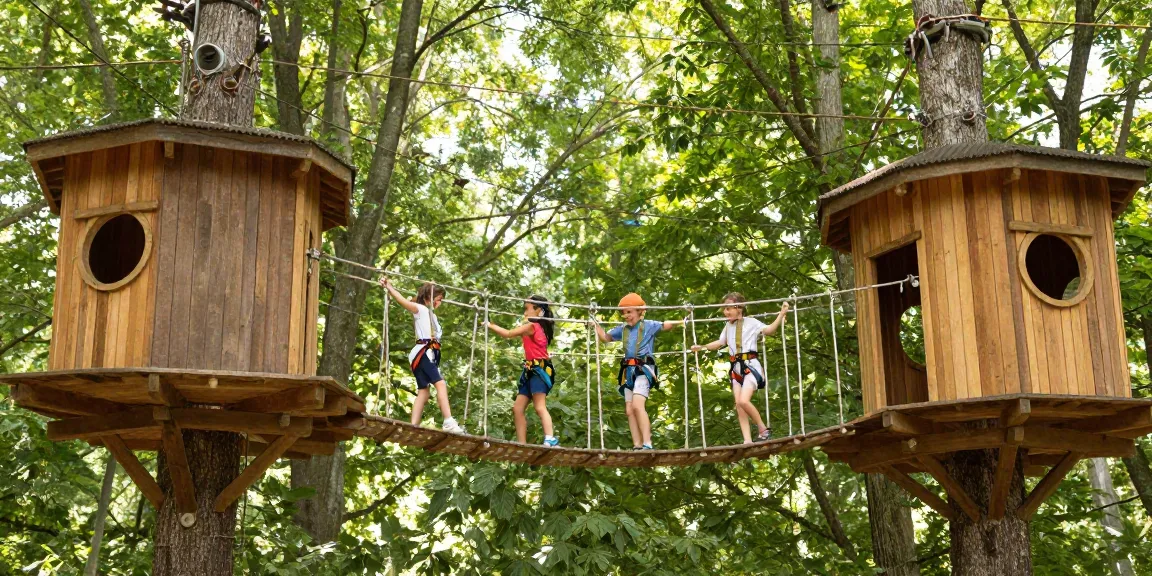
Rope bridges are a unique blend of engineering ingenuity and aesthetic charm, providing not only functionality but also a visual appeal that enhances outdoor spaces. They span various terrains and can be adapted for multiple purposes, from crossing small streams to connecting treehouses high in the canopy. Understanding the principles behind effective Rope Bridge design is crucial for anyone looking to create a successful structure that is both safe and durable.
The Basics of Rope Bridge Construction
Building a rope bridge involves mastering several essential concepts, such as tension, balance, and load distribution. At its core, a rope bridge consists of a simple yet effective design where cables are anchored on either side of a gap, utilising the strength of materials to support weight. This design allows for flexibility and resilience, accommodating the natural movements caused by wind and the weight of individuals crossing.
To effectively construct a rope bridge, the following key elements should be considered:
- Anchor Points: Strong, stable anchors are vital as they bear the majority of the bridge's weight.
- Cable Type: The choice of cable plays a significant role in the bridge's overall integrity, with materials like nylon or steel being commonly used for their strength and durability.
- Decking: The surface where people walk must be secure and durable, often made from wooden planks or composite materials to withstand weather conditions.
Types of Rope Bridges: Which is Best for You?
When considering rope bridge design, it is important to evaluate the different types available. The primary categories include:
- Suspended Rope Bridges: These bridges are widely used due to their flexibility and ability to span long distances. They are ideal for areas with varying heights.
- Fixed-Beam Rope Bridges: These are more rigid and are typically used for shorter spans where stability is paramount.
- Log Rope Bridges: Combining natural wood with rope, these bridges offer an aesthetic that blends seamlessly into forested environments.
Each type has its unique advantages and challenges, which should be carefully assessed based on the intended use and structural requirements.
Materials and Safety Considerations in Design
Choosing the right materials is crucial in designing a safe rope bridge. The materials utilized should not only support the weight but also offer resistance against environmental factors such as UV rays, moisture, and harsh weather conditions. The following considerations should be made:
- Durability: Opt for weather-resistant materials to ensure longevity.
- Load Capacity: Calculate the potential weight the bridge will bear, including the average number of users and any additional loads such as equipment.
- Safety Features: Incorporate guard rails or netting to enhance user safety, especially in elevated designs.
Planning Your Rope Bridge Project
Effective planning is the foundation of any successful construction project, including rope bridges. A well-thought-out approach will ensure the project runs smoothly and meets safety standards.
Site Assessment and Selection Criteria
The location of your rope bridge plays a significant role in its design and stability. Factors to assess include:
- Topography: Understand the landscape and ensure the chosen site allows for stable anchoring of the cables.
- Accessibility: The bridge should connect key points conveniently without limiting access to nature.
- Environmental Impact: Assess the ecological effects of building a bridge in the chosen location and avoid disrupting local wildlife.
Engaging Professionals vs. DIY Approaches
Deciding whether to hire professionals or embark on a DIY project depends on skills, budget, and the complexity of the bridge design. For simpler projects, a DIY approach may be feasible, but more intricate designs should consider involving experienced engineers and builders to ensure safety and compliance with local regulations.
Budgeting for Your Rope Bridge Design
Creating a detailed budget is an essential step in planning your rope bridge. Costs can vary significantly based on materials, labour, and design complexity. Here are some points to consider:
- Materials: Quality materials may have a higher upfront cost but offer better longevity and safety.
- Labour: If hiring professionals, factor in their fees and any necessary permits.
- Maintenance: Budget for ongoing maintenance to ensure the bridge remains safe and functional over its lifespan.
Building a Rope Bridge: A Step-by-Step Guide
Having planned your project, it’s time to move on to the construction phase. Follow this structured approach to ensure a successful build.
Gathering Necessary Tools and Materials
Before starting the construction, gather all required tools and materials:
- Tools: Wrenches, drills, saws, and safety gear (helmets, gloves).
- Materials: Cables, wood for decking, anchors, and hardware (bolts, screws).
Construction Techniques for Stability and Durability
Employ sound construction techniques to enhance stability:
- Cable Installation: Ensure cables are tensioned appropriately to avoid sagging.
- Deck Attachment: Use strong fasteners to secure decking to cables effectively.
- Regular Checks: Throughout construction, frequently check for alignment and balance.
Safety Measures During the Building Process
Safety should be paramount during construction. Here are some vital safety measures:
- Wear Protective Gear: This includes safety helmets and non-slip footwear.
- Establish Clear Protocols: Ensure everyone on site is aware of safety protocols and emergency plans.
- Supervision: Have an experienced person oversee work to manage safety and quality.
Maintaining Your Rope Bridge
Once your rope bridge is completed, ongoing maintenance is crucial to ensure its safety and longevity.
Routine Inspections and Repairs
Set a schedule for regular inspections to identify and repair any issues early. Look for:
- Wear and Tear: Check cables and decking for signs of rust or decay.
- Structural Integrity: Assess anchor points and ensure they remain secure.
Weatherproofing Techniques for Longevity
Consider applying weatherproofing treatments to wood and regularly inspect cables for corrosion. This preventive maintenance will extend the life of your bridge.
Updating Design Elements Over Time
As aesthetic preferences or functional needs evolve, updating design elements can keep the bridge relevant and attractive. Consider simple upgrades like new decking or painting for enhanced visual appeal.
Future Trends in Rope Bridge Designs
The future of rope bridge design is poised for innovation, driven by sustainability and the increasing demand for multifunctional outdoor spaces.
Sustainable Practices and Eco-Friendly Materials
With increasing awareness of environmental issues, utilising sustainable materials and practices will be paramount. Look for eco-friendly wood treatments and recycling options for old materials to minimise waste.
Innovative Designs for Urban Environments
In urban spaces, rope bridges can serve as pedestrian pathways linking parks and urban development, promoting connectivity and green spaces. Innovative designs that incorporate greenery or art can enhance the user experience.
Predictions for Rope Bridge Use in Adventure Parks
As adventure parks grow in popularity, rope bridges will likely become integral features that offer fun and challenge. These designs will focus on safety while ensuring an exhilarating experience for visitors.