
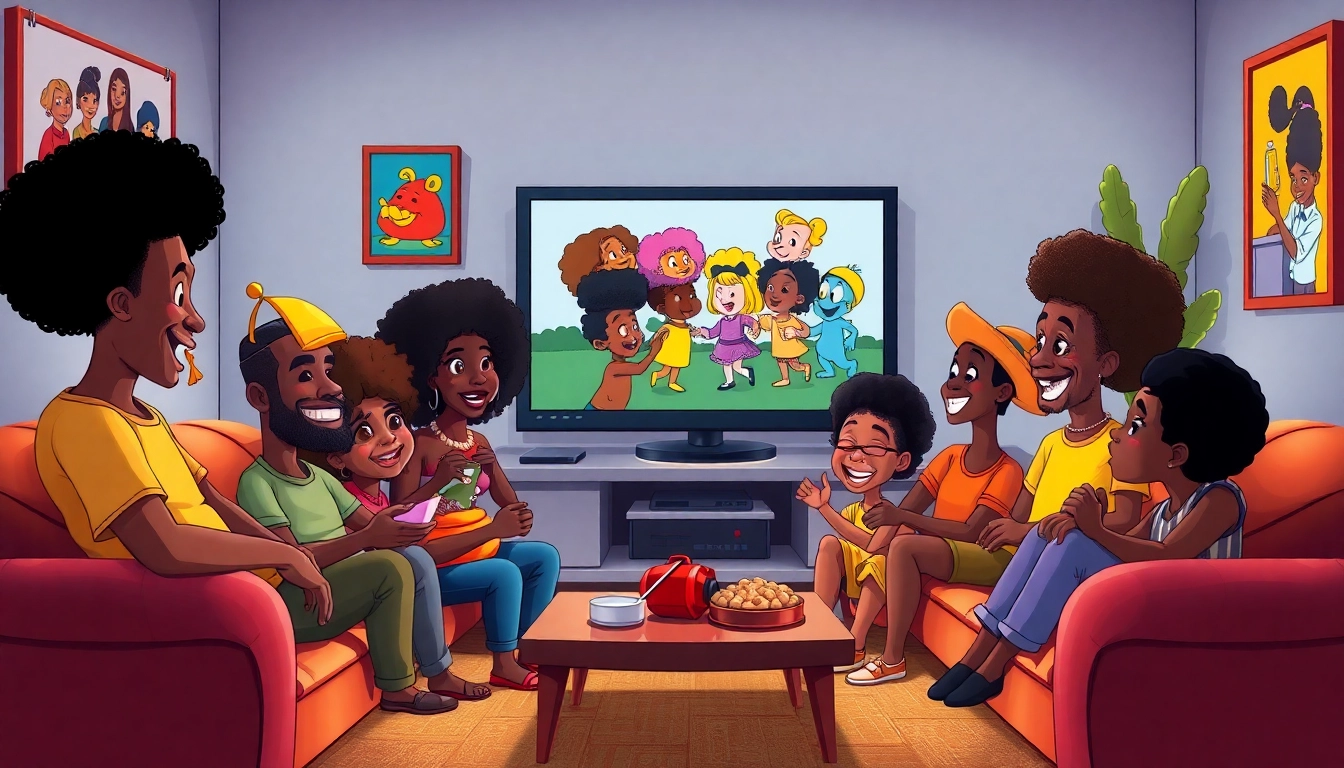
The Evolution of African American Cartoons
The journey of African American animation has been rich and transformative, contributing significantly to the landscape of animated entertainment. From the early days of simplistic portrayals to complex narratives that reflect the diversity and vibrancy of Black culture, African American cartoons have evolved, breaking stereotypes and establishing their unique place in media. As we explore this evolution, we will highlight key milestones, prominent figures, and the cultural significance of these works, providing a comprehensive overview of how African American Cartoons continue to resonate with audiences today.
Historical Background of African American Animation
The history of African American animation dates back to the early 20th century, when cartoons often depicted racial stereotypes, reflecting societal attitudes of the time. Notably, the 1930s introduced characters like “Bimbo” and “The Ebony and Ivory” duo, who often lacked depth and authenticity. The landmark 1941 cartoon “Coal Black and de Sebben Dwarfs,” created by Bob Clampett, marked a significant shift as it presented African American culture through a more nuanced lens, while also facing criticism for its portrayals. However, it laid the groundwork for future creators, showcasing the potential for animation to express cultural identity.
Key Milestones in African American Cartoons
Several groundbreaking moments have shaped the evolution of African American animation. The 1970s heralded the arrival of shows like “Fat Albert and the Cosby Kids,” created by Bill Cosby, which aimed to portray relatable characters engaging in everyday experiences. The 1990s brought about “The Proud Family,” emphasizing family dynamics and friendship among African Americans, and gained a cult following for its humor and social commentary. In recent years, shows like "Craig of the Creek" have diversified the representation of Black characters, moving beyond stereotypes and embracing authentic storytelling.
The Impact of African American Culture on Animation
The cultural impact of African American cartoons extends beyond entertainment; they serve as a means of representation and affirmation for communities. These works not only entertain but also educate viewers about cultural heritage and social issues. The introduction of Hip-Hop culture into animation, characterized by a unique rhythm and style, has influenced character design and narrative structures, illustrating the continuous interplay between art forms. This cultural significance underscores the importance of African American cartoons in shaping societal perceptions and conversations around race.
Iconic African American Cartoon Characters
Character Analysis: Cultural Significance
The importance of African American characters in cartoons cannot be overstated. Characters like Huey and Riley Freeman from “The Boondocks” offer critical social commentary through satire, addressing issues such as racism, consumerism, and identity. This layered portrayal encourages audiences to engage with complex narratives, challenging preconceived notions. Similarly, characters like Doc McStuffins, a young Black girl aspiring to be a doctor, serve as powerful role models for children, promoting aspirations and dreams within the African American community.
Memorable Quotes and Moments
From unforgettable catchphrases to poignant moments, African American cartoon characters have left an indelible mark on pop culture. Quotes such as “I’m not a baby! I’m a doctor!” from Doc McStuffins showcase empowerment, while moments like the heartfelt discussions between the Freeman brothers in “The Boondocks” resonate deeply, sparking important conversations among viewers. These instances highlight how dialogue in animation can illuminate critical issues and facilitate understanding.
How These Characters Influenced Generations
Over the decades, African American cartoon characters have influenced generations by providing relatable figures and fostering a sense of identity. Icons like Foxy Brown in “Foxy Brown” and the Jackson Five in their animated series catered to the aspirations of young audiences, while the humor and life lessons from “The Proud Family” and “Carmen Sandiego” have become cultural touchstones. The legacy of these characters continues to inspire new creators, demonstrating the lasting influence of African American cartoons.
Trending African American Cartoons of 2026
Must-Watch Series and New Releases
As we enter 2026, the landscape of African American cartoons is more vibrant than ever, with several must-watch series capturing attention. New releases such as “Young, Gifted and Black,” which spotlights the stories of young innovators, and “Soul Street,” which follows a group of friends exploring their musical talents, are set to dominate screens and encourage discussions on important social themes. These series reflect the ongoing evolution of African American representation in animation.
Cult Favorites and Hidden Gems
In addition to mainstream titles, cult favorites and hidden gems continue to emerge. Shows like “Static Shock” have experienced a resurgence, appealing to new audiences while reminding older fans of the rich storytelling that addressed real-life issues like crime and social justice. Likewise, “Carmen Sandiego” offers captivating narratives that celebrate diversity, making it a beloved series among viewers seeking inclusive content.
Audience Reception and Critical Acclaim
The reception of African American cartoons has been overwhelmingly positive, with audiences praising their authenticity and depth. Critics have lauded series like “The Boondocks” for their boldness in tackling contentious topics, while shows like “The Proud Family Louder and Prouder” have been recognized for their commitment to diversity and representation. As viewers become more discerning, the demand for quality content that reflects their experiences continues to rise.
Creating Inclusive Content in Animation
Best Practices for Representation in Cartoons
Creating inclusive content in animation requires a deliberate approach that goes beyond tokenism. It involves incorporating diverse voices into writing rooms and fostering collaboration with creators who share the lived experiences of the characters being portrayed. Authentic representation allows for storytelling that resonates deeply with audiences and contributes to a more enriched viewing experience.
Case Studies of Successful Inclusive Cartoons
Case studies like “Doc McStuffins” and “Steven Universe” highlight the success of inclusive cartoons. “Doc McStuffins” not only normalizes the sight of a Black girl in a medical professional role but also promotes empathy and care in young viewers. “Steven Universe” is lauded for its representation of LGBTQ+ themes, creating a safe space for discussions surrounding identity and love, further advancing the narrative of inclusion in animation.
Future Trends in Diversity and Inclusion
The future of diversity and inclusion in animation looks promising, with a growing emphasis on representation. As audiences continue to demand authentic portrayals, we can expect a rise in creators of color and the inclusion of diverse stories. This shift will not only enrich the animation landscape but also contribute to broader societal changes, promoting understanding and acceptance across cultures.
Where to Watch and Engage with African American Cartoons
Best Streaming Services for African American Content
For viewers eager to explore African American cartoons, several streaming services cater to this demand. Platforms like Netflix, Hulu, and Disney+ are making strides by featuring an array of shows that showcase Black talents and narratives. Additionally, platforms like Crunchyroll and YouTube offer independent creators a space to share their work, enriching the content available to audiences who seek diverse representations.
Community Forums and Social Media Groups
Engagement extends beyond viewing; community forums and social media groups provide platforms for discussion and connection among fans of African American cartoons. Online spaces like Reddit and Facebook groups allow fans to share recommendations, create discussions, and deepen their appreciation for these works, fostering a sense of community and shared experience around beloved characters and series.
Participating in African American Animation Events
Animation conferences and festivals also present opportunities to celebrate African American contributions to the art form. Events such as the Black Comix Arts Festival and the African American Film Festival encourage networking among creators and fans, showcasing new talent and innovative projects. Participating in these events not only broadens the reach of African American animation but also inspires the next generation of animators.