The Essential Role of Home Appliances
In our fast-paced lives, the role of home appliances has become increasingly vital. These devices not only streamline our daily tasks but also significantly enhance the quality of our lives. Understanding the different types of home appliances, their functionalities, and their impact on our daily routines can guide you in making informed decisions when it comes to purchasing and maintaining these essential tools.
Understanding Different Types of Home Appliances
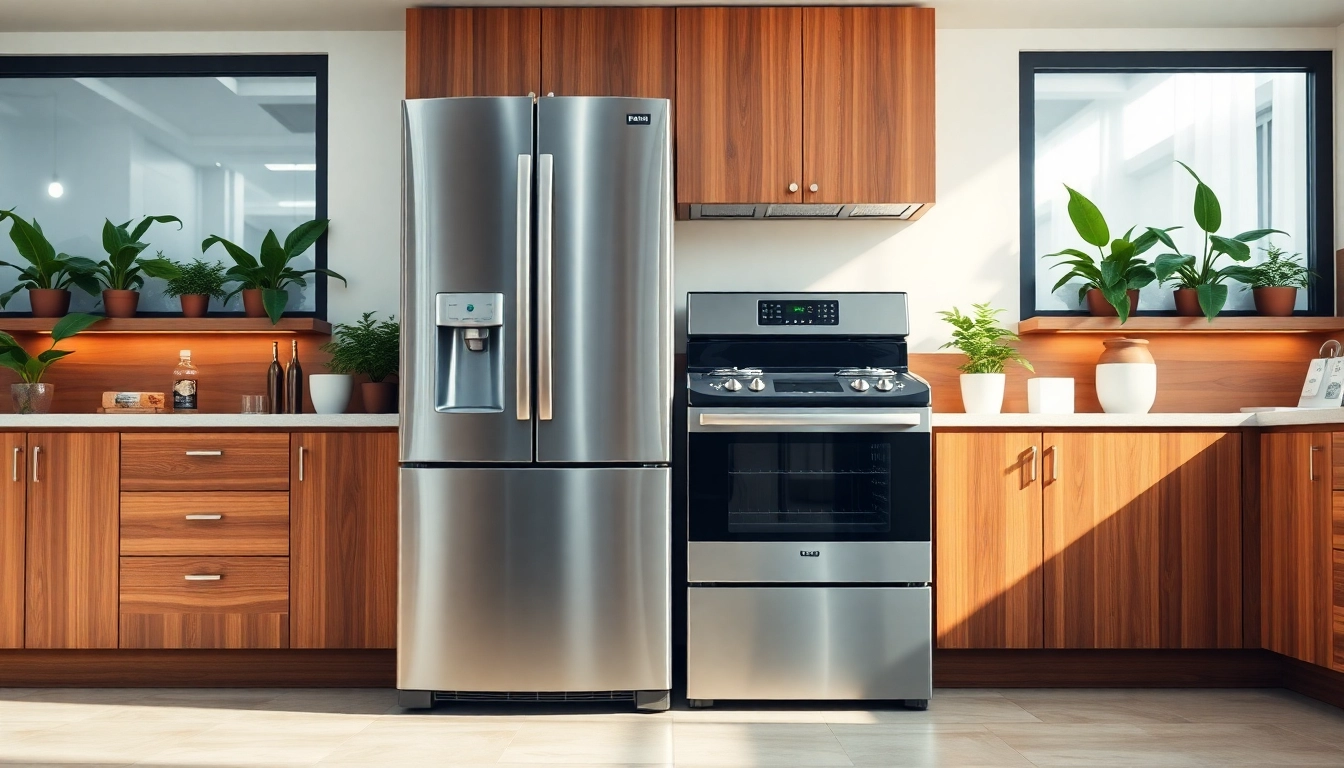
Home appliances can be broadly categorized into two main types: major appliances and small appliances. Major appliances, often referred to as "white goods," include large items such as refrigerators, ovens, and washing machines. These devices usually have a significant impact on your household's daily activities and energy consumption.
Conversely, small appliances include items like toasters, coffee makers, and blenders. They are typically portable and can assist in various tasks, from food preparation to cleaning. Understanding the distinct roles these appliances play is crucial for optimizing your home's functionality.
How Home Appliances Improve Daily Living
Home appliances have a profound impact on our efficiency and comfort in everyday tasks. Consider how a dishwasher can save hours of manual labor each week, allowing for more family time or personal hobbies. Similarly, modern washing machines with advanced features can not only save water and energy but also improve the quality of laundry.
The convenience offered by these devices enhances our lifestyle by reducing time spent on chores, enabling us to focus on what truly matters. Whether it’s preparing a healthy meal with the help of a food processor or maintaining a comfortable climate with a dependable HVAC system, home appliances prove essential to modern living.
Choosing Energy-Efficient Home Appliances
When it comes to selecting home appliances, energy efficiency should be a top consideration. Energy-efficient appliances reduce environmental impact while lowering utility bills. Look for devices marked with Energy Star ratings or those designed to use less energy without sacrificing performance.
Investing in energy-efficient appliances not only contributes to sustainability but also enhances your home's overall value. Many manufacturers now incorporate smart technologies into their energy-efficient models, allowing for better monitoring and management of energy consumption. This way, you contribute to a healthier planet while also enjoying the benefits of modern convenience.
Key Features to Consider When Buying Home Appliances
Size and Space Planning for Home Appliances
The first step in the home appliance purchase process is understanding the space where these appliances will reside. Measure your available space carefully and account for the dimensions of potential appliances, as well as providing necessary clearance for ventilation and accessibility. This can prevent common issues such as overcrowding or the need to return items that simply won't fit.
Additionally, consider the layout of your kitchen or laundry area. A well-planned arrangement not only increases your efficiency but can also enhance aesthetic appeal. For instance, pairing a high-efficiency refrigerator with a smart oven on an adjacent counter can streamline food prep and storage.
Technology and Functionality in Modern Home Appliances
Advancements in technology have transformed home appliances, enhancing their functionality and performance. Consider exploring models that feature smart technology, which can connect to your home Wi-Fi network for remote control and monitoring via your smartphone or tablet. This can be particularly useful when you need to adjust settings while away from home.
Functions such as self-cleaning, programmable settings, and even integration with virtual assistants can simplify day-to-day activities and make your life easier. Make a list of must-have features based on your lifestyle to ensure the appliances you choose align with your needs.
Durability and Warranty Considerations
Durability is a vital factor to consider when purchasing home appliances, as they represent a significant investment. Research brands known for reliability and quality, and check consumer reviews for insights into long-term performance. Additionally, consider the warranty offered with the appliance; a longer warranty period often indicates manufacturer confidence in durability.
Understanding warranty coverage can also save you future costs. Some providers may offer extended warranties or service plans, which can be beneficial for high-use appliances. Always read the fine print to ensure you understand what is covered and for how long.
Maintenance Tips for Home Appliances
Regular Cleaning and Care for Longevity
Proper maintenance can significantly extend the lifespan of your home appliances. Regular cleaning is essential; for example, refrigerator coils should be cleaned at least twice a year to maintain efficiency. Follow the manufacturer's care instructions for each appliance, and ensure that any filters (like those in dishwashers or air conditioners) are regularly replaced or cleaned.
Creating a maintenance schedule can keep your appliances operating at peak efficiency. This can include tasks such as descaling coffee machines or checking seals on washers and refrigerators. Regular maintenance can help identify issues before they worsen, saving you money and stress in the long run.
Common Troubleshooting Techniques
Even with regular maintenance, appliances may occasionally present problems. It's useful to familiarize yourself with common troubleshooting techniques. For instance, if your washing machine won’t drain, check the drain hose for kinks or clogs. For refrigerators that aren’t cooling properly, inspect the door seals for wear or food obstruction.
Keep a guide or notes on common issues for your appliances, including error codes or symptoms. This can empower you to handle minor problems before seeking professional assistance, potentially saving time and money.
When to Call a Professional for Repairs
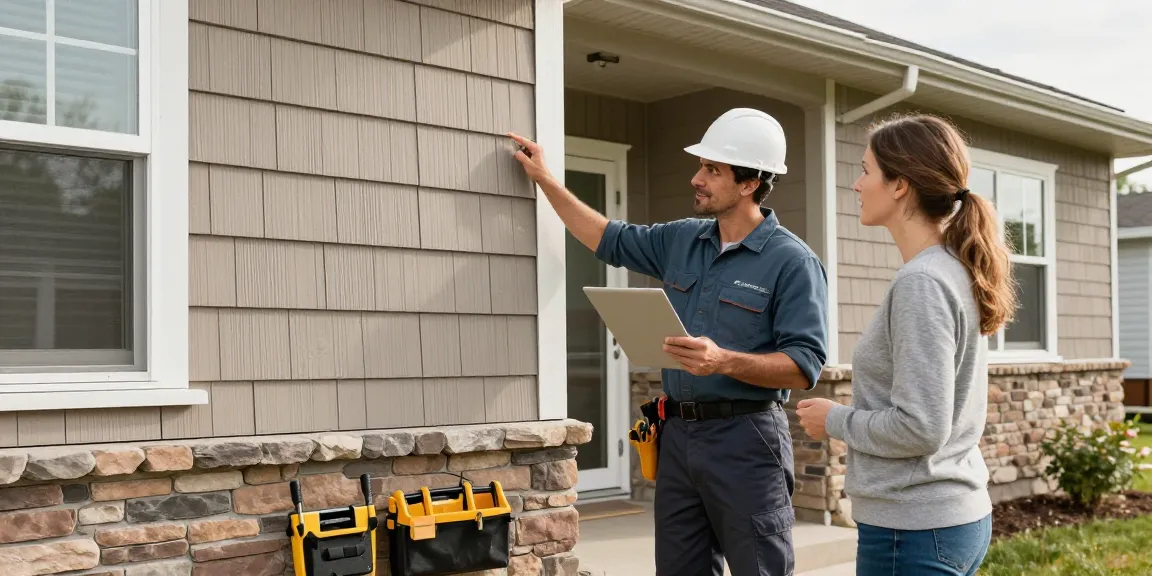
While DIY repairs can be straightforward, knowing when to call in a professional is equally important. If your appliance is making unusual noises, such as grinding or humming, or if you notice significant changes in performance, it’s wise to seek expert help. Electrical issues or leaks require immediate attention as they can pose safety risks.
Additionally, for complex repairs, especially those involving the appliance's main parts or electrical systems, it’s often more cost-effective and safer to consult a qualified technician. Look for certified repair services that specialize in your type of appliance for the best results.
The Impact of Smart Technology on Home Appliances
Integrating Smart Home Systems with Appliances
Smart technology is revolutionizing how we interact with our home appliances. Integration with smart home systems allows for significant automation options, from voice-activated devices to mobile app management. For example, you can program your kitchen appliances to start cooking as you’re on your way home, saving time and ensuring meals are ready when you arrive.
Moreover, smart integration can enhance communication across devices, allowing products to work together seamlessly. You can set schedules, monitor energy usage, and even receive alerts if issues arise, providing peace of mind and control over your home environment.
Benefits of Remote Monitoring and Control
Remote monitoring is one of the most appealing aspects of smart appliances. This feature allows you to check the status of your devices from anywhere, facilitating a connected lifestyle. For instance, imagine realizing you forgot to turn off the oven while you’re at work; with remote control, you can manage the appliance from your smartphone, ensuring safety and energy savings.
Remote monitoring also enables predictive maintenance. Many smart appliances can alert you to potential issues before they become severe, allowing for timely interventions. This proactive approach can lead to improved performance and increased longevity.
Future Trends in Smart Home Appliances
The future of home appliances is bright, particularly in the realm of smart technology. Trends indicate a shift towards more energy-efficient and user-friendly designs, with appliances continually evolving to meet consumer expectations. Innovations such as AI-driven devices that learn your patterns and preferences are on the rise.
Additionally, there is a growing emphasis on eco-friendly manufacturing and recyclable materials as consumers become more environmentally conscious. These advancements suggest that the landscape of home appliances will continue to change, offering us smarter, more efficient, and more sustainable options that enhance daily living.
Frequently Asked Questions about Home Appliances
What are the most important factors to consider when buying home appliances?
Prioritize energy efficiency, size, features, and brand reputation. Assessing these factors can ensure that the appliance fits your needs and budget.
How can I maintain my home appliances effectively?
Regular cleaning, following manufacturer guidelines, and addressing minor issues promptly aid longevity. A proactive maintenance schedule is key.
Is it worth investing in smart home appliances?
Yes, they offer convenience, energy savings, and can improve home security. Smart appliances enhance your living experience through automation and efficiency.
What are some common problems seen with home appliances?
Frequent issues include insufficient cooling in refrigerators and washing machine drainage failures. Regular checks can help identify and resolve these problems early on.
When should I replace my home appliances?
Consider replacement if they frequently break down or have outdated technology that hampers efficiency. Keeping appliances updated can save on energy costs and improve functionality.