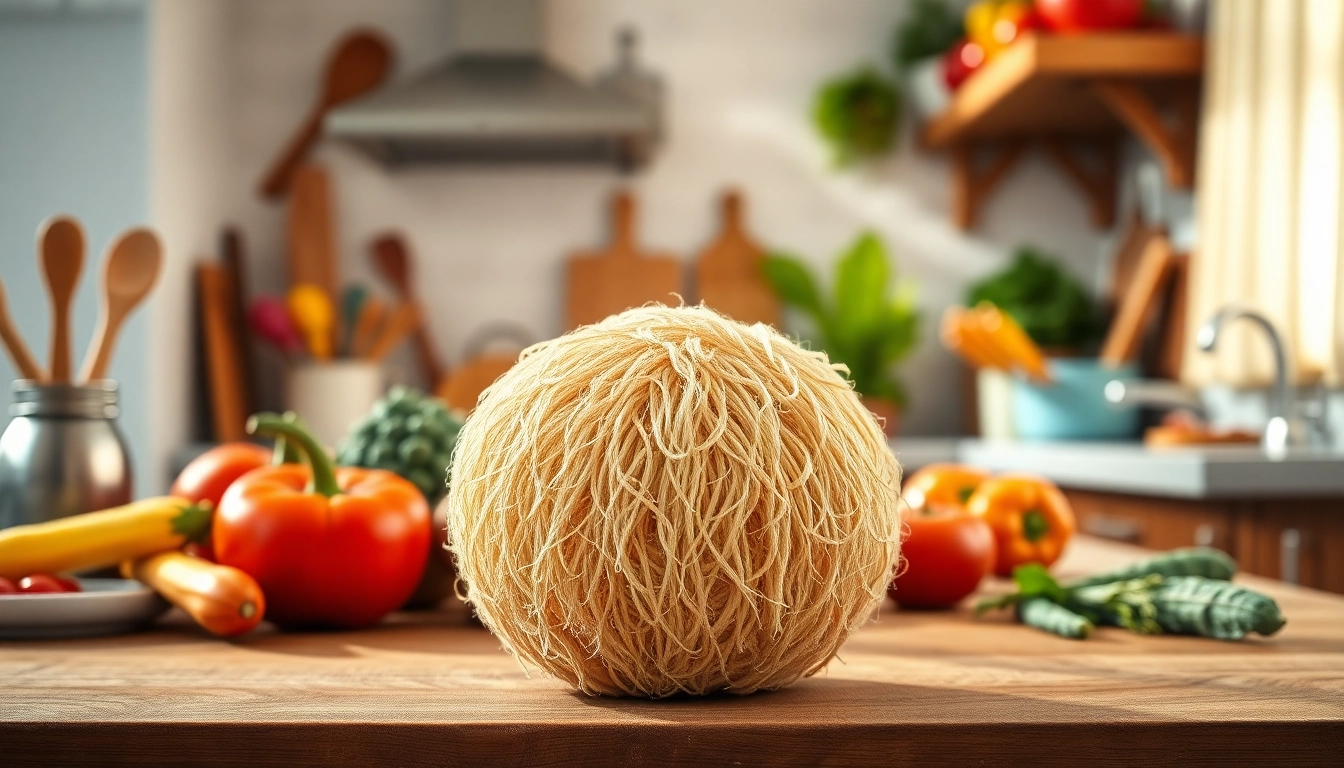
Introduction to Kitchen Loofah
The kitchen is often the hub of the home where meal preparation and cleanup converge. With the increasing demand for cleaner and more sustainable living practices, many people are looking for effective yet eco-friendly cleaning solutions. Among the emerging favorites is the kitchen loofah, a natural alternative that has gained popularity due to its effectiveness and environmental benefits. In this article, we will explore what a kitchen loofah is, the benefits it provides, how to choose the right one, effective usage techniques, and ways to integrate it seamlessly into your cleaning routine.
What is a Kitchen Loofah?
A kitchen loofah, often mistaken for a sponge, is made from the fibrous inner part of the loofah plant, which is a type of cucumber. It is harvested once the fruit is mature and dried. Once dried, the outer skin is removed, leaving behind a fibrous structure that can be used for scrubbing. Unlike synthetic sponges, kitchen loofahs are 100% biodegradable and offer a natural cleaning solution that performs remarkably well against dirt and grime.
Benefits of Using Kitchen Loofah
Using a kitchen loofah presents a multitude of benefits that are not just advantageous for cleanliness but also promote ecological responsibility:
- Natural Scrubbing Power: The coarse texture of a kitchen loofah makes it perfect for scrubbing pots, pans, and countertops without causing damage.
- Biodegradable: Unlike traditional sponges, kitchen loofahs are made entirely from plant material, making them an eco-friendly alternative.
- Antimicrobial Properties: When properly cleaned and dried, kitchen loofahs discourage bacterial growth, making them a hygienic choice.
- Cost-Effective: These loofahs can last several weeks to months, reducing the need for constant replacements that come with synthetic options.
- Versatility: Beyond the kitchen, loofahs can be used for bathing or exfoliating skin, adding a gentle touch to personal care.
Environmentally Friendly Cleaning Option
In an era where sustainability is critical, the kitchen loofah shines as a cleaning tool that doesn't harm the environment. Its production process involves growing a plant with minimal resources, and once it requires replacement, its biodegradable nature ensures it decomposes naturally, compared to sponges which can take years to break down in landfills. Moreover, using natural alternatives minimizes the harmful chemicals often found in synthetic sponges and cleansers, protecting our waterways and ecosystems.
Choosing the Right Kitchen Loofah
When it comes to selecting the ideal kitchen loofah, several factors play a crucial role in your decision-making process, helping you find one that caters to your specific cleaning needs.
Different Types of Kitchen Loofahs
Kitchen loofahs come in various forms and sizes:
- Whole Loofah: These are the entire dried loofah and provide a sturdy and durable scrubbing surface. Ideal for heavy-duty cleaning tasks.
- Loofah Pads: These are sliced and compressed loofah pads that are suited for regular cleaning. They are softer and may be more comfortable for delicate surfaces.
- Softened Loofah: Some manufacturers offer softened loofahs that are more gentle on the skin and surfaces, making them suitable for sensitive applications.
What to Look For When Buying
When shopping for a kitchen loofah, consider the following factors to ensure you choose a quality product:
- Quality of Material: Look for organic loofahs that haven't been treated with chemicals or dyes.
- Origin: Sourced loofahs from reputable growers can ensure that they are free from pesticides and contaminants.
- Firmness: Different levels of firmness cater to various cleaning needs, so think about what surfaces you will be scrubbing.
How to Test Quality
To assess the quality of a kitchen loofah before purchase:
- Feel: The loofah should feel sturdy and fibrous, not overly soft or mushy.
- Fragrance: A fresh plant smell indicates a natural product, while chemical odors signal synthetic treatment.
- Look for Signs of Splitting: Quality loofah has a consistent surface without cracks, indicating a well-manufactured product.
Using Kitchen Loofah Effectively
Once you have selected a kitchen loofah, mastering its use is essential to maximize its potential around your kitchen. Implement the right techniques to ensure effective cleaning and maintenance.
Techniques for Various Surfaces
Different surfaces around the kitchen require different cleaning techniques:
- Non-Stick Cookware: Avoid using a kitchen loofah on non-stick surfaces to prevent scratches. Instead, opt for a gentler method like a damp cloth.
- Glass and Ceramic: For glass and ceramic dishes, use the loofah with a gentle scrubbing motion to avoid chips or scratches.
- Stainless Steel: A kitchen loofah is excellent for stainless steel surfaces, helping to remove grease without leaving scratches. Use warm, soapy water for the best results.
Proper Care and Maintenance
Maintaining your kitchen loofah is vital for hygiene and longevity. Here are some best practices:
- Rinse After Use: Always rinse your loofah thoroughly to remove food particles after cleaning.
- Dry Properly: Allow the loofah to air dry in a well-ventilated area to prevent bacterial growth. Avoid keeping it in damp areas.
- Disinfect Weekly: Soak the loofah in a solution of vinegar and water or boil it once a week to kill bacteria and extend its life.
Common Mistakes to Avoid
In order to get the most out of your kitchen loofah, avoid these common pitfalls:
- Neglecting to Rinse: Failing to rinse after use can trap food particles, leading to bacteria growth.
- Using on Sensitive Surfaces: Don’t use your loofah on surfaces that can scratch easily like non-stick pans.
- Overdoing it with Cleaners: Heavy amounts of soap can lead to residue buildup. A little goes a long way.
Integrating Kitchen Loofah into Your Routine
Integrating a kitchen loofah into your daily cleaning routine can bring simplicity and effectiveness to your cleaning tasks. Here’s how you can make the most of it:
Best Practices for Daily Cleaning
To efficiently incorporate the kitchen loofah into daily cleaning, consider these practices:
- Have One Accessible: Keep a dedicated loofah near the sink for easy access during meal prep and cleanup.
- Use with Natural Cleaners: Pair your loofah with natural cleaners such as diluted vinegar or lemon juice for a powerful but gentle cleaning solution.
- Routine Checks: Regularly inspect your loofah for signs of wear, replacing it as needed to maintain hygiene.
Combining with Natural Cleaners
Kitchen loofahs excel when paired with natural cleaning agents. Here are some combinations to try:
- Vinegar and Water: A mixture of one part vinegar to three parts water creates an excellent disinfecting solution.
- Lemon Juice: Its natural acidity makes lemon juice perfect for cutting through grease and providing a fresh scent.
- Baking Soda Paste: Combine baking soda with water for an abrasive paste that helps tackle tougher stains when used with the loofah.
Storage Solutions for Kitchen Loofah
Proper storage of your kitchen loofah can extend its longevity:
- Well-Ventilated Area: Store your loofah in an area that allows airflow to keep it dry and prevent mold.
- Separate Containers: Consider dedicating a MESH bag or perforated container specifically for storing your kitchen loofah to further promote drying.
- Rotation System: Have a couple of loofahs on hand to rotate between uses to allow them to dry completely.
FAQs About Kitchen Loofah
How do I clean my kitchen loofah?
Rinse it thoroughly and let it dry in a well-ventilated area. You can disinfect it weekly by soaking in vinegar or boiling water.
Is kitchen loofah biodegradable?
Yes, kitchen loofah is biodegradable as it's made from plant fibers, making it an eco-friendly choice.
Can I use kitchen loofah on non-stick surfaces?
It's best to avoid using kitchen loofah on non-stick surfaces as it might scratch the coating.
How long does a kitchen loofah last?
With proper care, a kitchen loofah can last between 3 to 6 weeks before needing replacement.
Are kitchen loofahs safe for all skin types?
Kitchen loofahs are generally safe, but those with sensitive skin should test a small area first to avoid irritation.