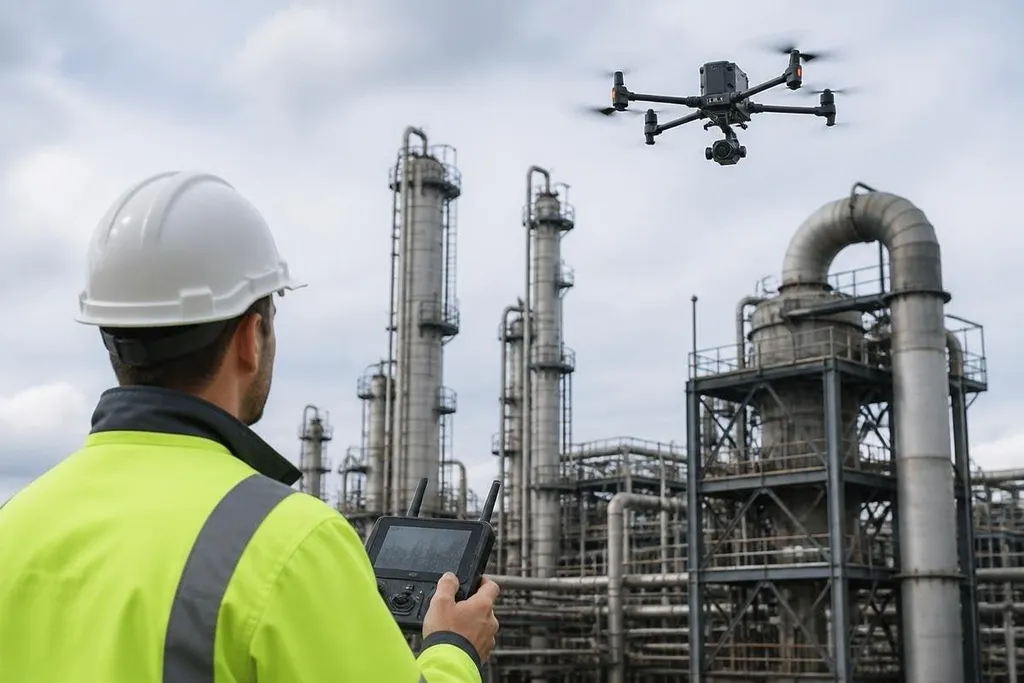
Drones add movement, height, and remote sensing to robotics work. That lets one system inspect places that are hard, slow, or unsafe for a person to reach, while shifting more work toward software, sensors, and remote control.
Quick read
- A drone can gather images and other sensor data across large or difficult sites.
- The main limits are flight time, weather, rules, and the quality of the data.
Flight changes the robot’s job
A factory robot usually repeats a task from a fixed position. A drone moves through air, so its job starts with reaching the right place before it can inspect, measure, or record anything.
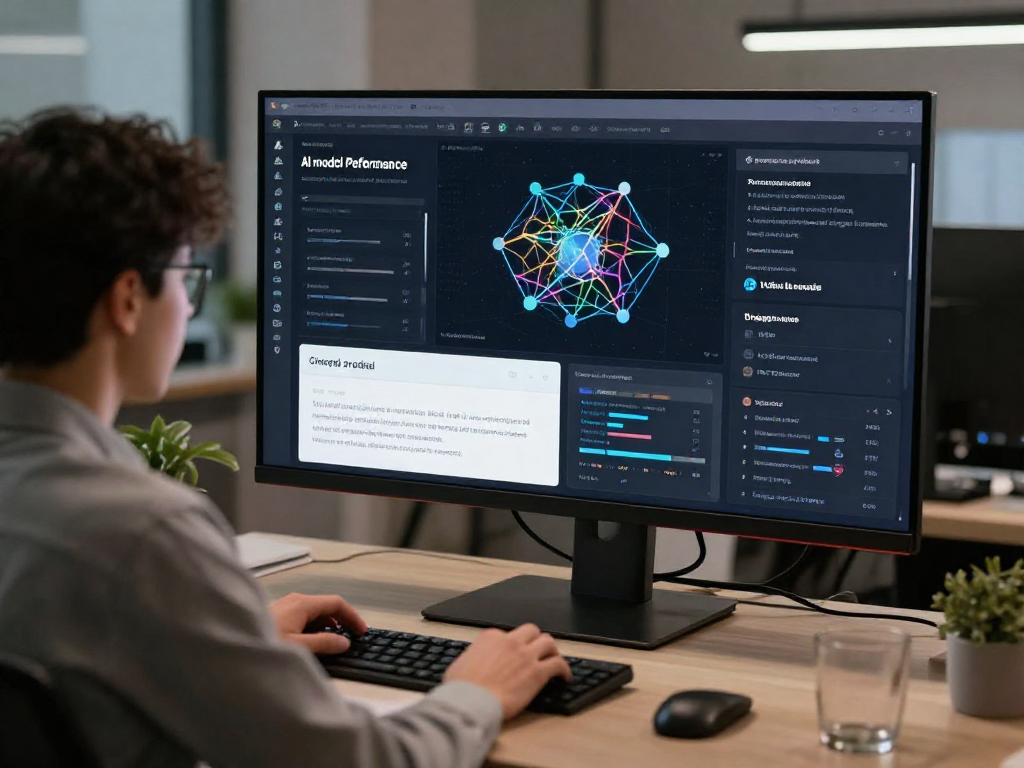
That change affects the whole system. The drone needs a flight controller to keep its position, sensors to understand its surroundings, and software that turns raw images into useful information.
A camera may find surface damage. LiDAR measures distance with laser pulses. A thermal camera can show heat patterns that an ordinary image misses.
The aircraft is only one part of the work. The useful result may be a map, an inspection report, or a warning for a person who needs to make a repair. This is why drone robotics is pushing companies to build stronger links between flight hardware, sensing, data processing, and field operations.
Where drones are changing work
Inspection is one clear use. The aircraft can move around a bridge, tower, roof, or industrial site and record views that would otherwise need ladders, lifts, or rope access. A person still checks the result, but the first pass can happen from a safer position.
Mapping is another. On a planned route, the aircraft can collect overlapping images that software turns into a map or 3D model. That helps teams compare a site over time, measure changes, and plan work from the same digital reference.
Drones also give mobile robots a wider view. A flying robot can locate an area of interest, then send its position to a ground robot or a human operator. The two systems can share data through a wireless network, though the handoff must work in poor weather, blocked spaces, and places with weak signals.
A drone-ground robot link can fail before either machine reaches the task. Robot 24 covers the companies and machines behind these systems, so you can compare a claimed flight time or signal range with the hardware and test conditions. That matters here because batteries, weather, and blocked routes still set the work these robots can do.
The limits stay physical
Flight time remains a hard limit because motors must keep the aircraft in the air. A drone that spends too long flying to a site may have little battery left for inspection, return flight, and a safe landing.
Weather adds another problem. Wind changes the aircraft’s position and raises power use. Rain can affect cameras, electronics, and radio links. A system that works in a test area may need different settings, hardware, or operating rules at a real site.
Autonomy also has a narrow meaning in many deployments. A drone may follow planned waypoints and avoid known obstacles, yet still need a person to approve the route, watch the flight, or review the data. The difficult part is often the decision after the flight, not the flight itself.
Rules can limit the job too. Operations beyond the pilot’s direct view, flights near people, and work in controlled airspace may need approval or added safety steps. The exact rule depends on the country and the site, so a technical plan cannot stand alone.
Before you fund a drone project
Use this checklist to test whether the job fits an aerial robot:
- Name the task: inspection, mapping, delivery, or another repeatable job.
- Set the result: decide whether you need images, measurements, a map, or an alert.
- Check the site: record obstacles, wind, signal strength, landing space, and access rules.
- Plan human review: assign who approves flights and checks the data.
- Price the full work: include training, batteries, software, repairs, storage, and permits.
A drone makes sense when reaching the work is the costly part and the result can be checked from its data. I'd skip a drone project when the team has no clear decision to make from the information it collects.
The next test is small: run one defined task at one site, record the flight limits and review time, then decide if the result saves enough field work to justify a wider rollout.