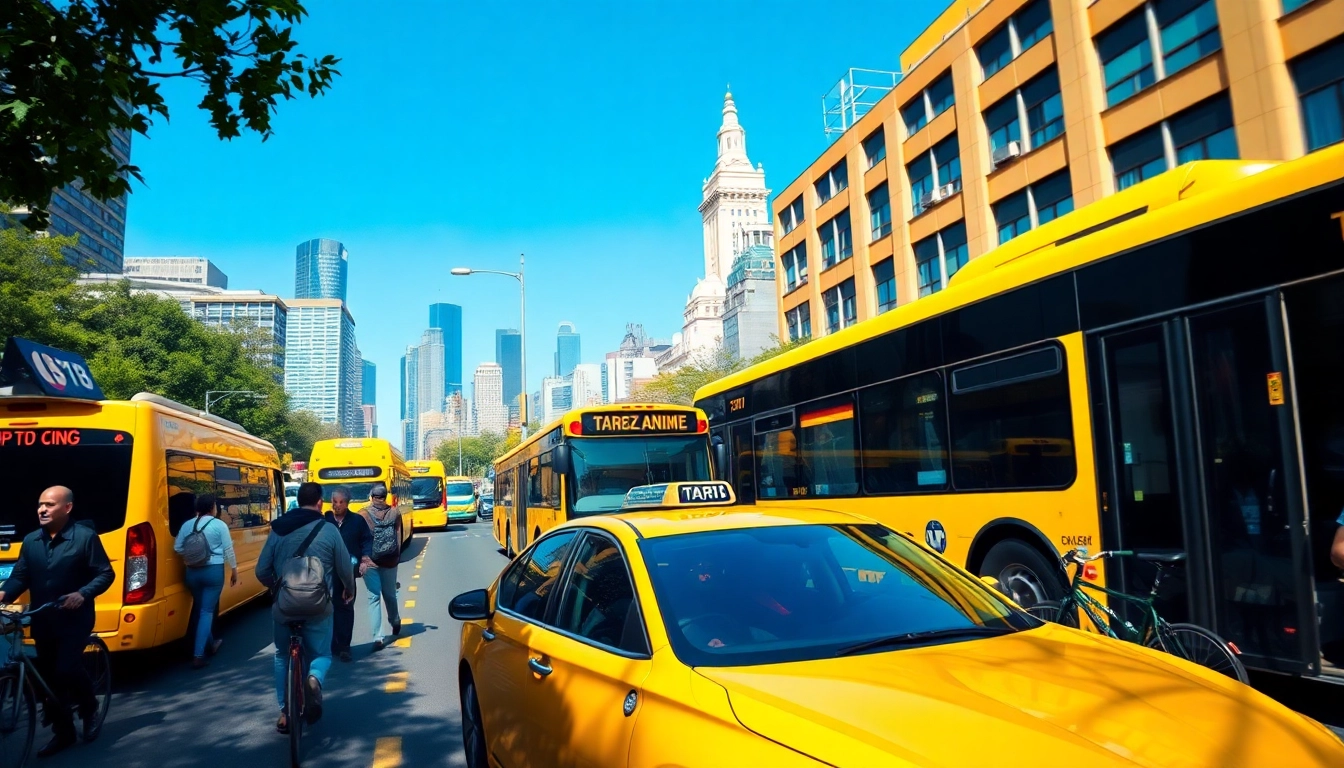
Introduction to Transportation: Importance and Overview
Transportation is a vital component of society, enabling the movement of people and goods in a globalized world. It encompasses an extensive array of systems, ranging from roads and railways to airports and ports, which serve as the backbone of economies and facilitate social interactions. As urbanization increases and technology advances, the significance of transportation only grows, intertwining with virtually every aspect of daily life. Exploring the multifaceted nature of transportation is essential for understanding its role in shaping economies, communities, and environments. Companies and individuals alike can benefit from robust transportation systems that enhance efficiency and accessibility.
Defining Transportation and Its Key Components
Transportation can be defined as the intentional movement of humans, animals, and goods from one location to another. It consists of several key components:
- Infrastructure: The physical structures that support transportation, including roads, bridges, railways, and airports.
- Vehicles: Various modes of transport, such as buses, trains, planes, and ships, each designed for specific functions and environments.
- Operations: The management of transportation systems, including scheduling, maintenance, and safety protocols.
- Regulations: Laws and policies that govern transportation practices to ensure safety, efficiency, and environmental protection.
The Role of Transportation in Economic Development
Transportation plays a crucial role in economic development by facilitating trade, connecting markets, and providing access to jobs. Efficient transport networks reduce the cost and time associated with moving goods, which directly impacts prices and the availability of products. Regions with strong transportation infrastructure often experience higher levels of investment and economic activity.
For instance, the construction of new highways can lead to increased traffic flow that aids small businesses and boosts local economies. Additionally, public transit systems enhance access to employment opportunities for residents and can lead to a decrease in urban congestion.
Types of Transportation: Modes and Methods
Various modes of transportation can be categorized into several types, each with unique characteristics and applications. The primary modes include:
- Land Transportation: This includes vehicles that travel on roads and tracks, such as cars, buses, trucks, and trains.
- Air Transportation: Comprising airplanes, helicopters, and drones, air transport is essential for long-distance travel and rapid delivery of goods.
- Water Transportation: Boats, ferries, and cargo ships allow for the movement of goods over lakes, rivers, and oceans, providing cost-effective transport solutions for bulk materials.
Understanding Various Transportation Modes
Land Transportation: Buses, Trains, and Cars
Land transportation is perhaps the most recognizable and widely used mode, encompassing a variety of vehicles and infrastructures. Buses offer public transit solutions within cities, while trains provide commuter and freight services that cover extensive distances. Cars, meanwhile, are a staple for personal and commercial travel, with private vehicles serving as a primary means of transport in many regions.
In urban environments, the development of bus rapid transit systems (BRT) and light rail has led to increased bus ridership and reduced congestion. Trains, especially high-speed rail systems, are becoming more favored for their efficiency and environmental benefits compared to car travel. Despite these advances, challenges like traffic congestion and pollution remain significant concerns that cities are actively trying to address.
Air Transportation: Planes and Drones
Air transportation has transformed long-distance travel and freight shipping, allowing for swift connections between continents. Commercial airlines foster tourism and business travel, while cargo planes facilitate global trade by delivering goods internationally. The efficiency of air transport has also been greatly enhanced by technological advancements, such as improved navigational systems and better fuel efficiency.
Recently, drones have emerged as a disruptive technology, offering a potential game-changer for delivery services in urban areas. By circumventing traditional traffic, drones can supply essential goods quickly, making them particularly valuable in emergency response scenarios.
Water Transportation: Boats, Ferries, and Ships
Water transportation is pivotal for global trade and logistics. Cargo ships move a significant percentage of the world’s goods, leveraging economies of scale that make shipping by sea much more efficient than land or air transport. For example, shipping containers represent a standard unit of cargo transport, streamlining the logistics of complex supply chains.
In addition to freight, ferries and boats offer essential transportation services in regions where land-based transport is impractical, such as islands or coastal cities with busy waterways. The resurgence of interest in using ferries for city transportation reflects a shift toward enhancing urban mobility through diversified transport options.
The Future of Transportation: Trends and Innovations
Emerging Technologies in Transportation Systems
The transportation sector is on the brink of significant transformation, driven by technological advances. Innovations such as electric vehicles (EVs), smart traffic management systems, and blockchain applications in logistics are revolutionizing how we approach transportation.
Electric vehicles, for instance, promise to reduce emissions associated with traditional fuel sources, aligning with global sustainability goals. Major automakers are ramping up production of EVs, supported by government incentives and charging infrastructure development.
Smart technologies, including the Internet of Things (IoT) and artificial intelligence (AI), are optimizing traffic flow and reducing congestion through predictive analytics and real-time data. These solutions improve safety and efficiency, setting the stage for the adoption of connected and automated vehicles.
Sustainability and Eco-Friendly Transportation Solutions
Sustainability is a critical theme in the future of transportation, with a push toward environmentally friendly practices becoming more pronounced. Initiatives such as expanded public transit options, improved cycling infrastructure, and promotion of walking paths are contributing to reduced carbon footprints.
Additionally, the integration of renewable energy sources into transportation systems—such as solar-powered charging stations for electric vehicles—is paving the way for greener transport options. Cities are increasingly committing to sustainability goals, enhancing their overall livability while addressing climate change concerns.
The Impact of Autonomous Vehicles on Urban Mobility
Autonomous vehicles (AVs) represent one of the most exciting developments in transportation. With the potential to reshape urban landscapes, AVs promise to improve traffic efficiency, enhance safety, and reduce the need for expansive parking infrastructure.
As testing continues for self-driving technology, cities are beginning to adapt their transportation policies and infrastructures to accommodate AVs. This transformation includes rethinking street layouts and regulatory frameworks to optimize the integration of autonomous transport systems into existing networks.
Transportation Challenges and Solutions
Traffic Congestion: Causes and Mitigation Strategies
Traffic congestion remains a persistent issue in urban areas, leading to wasted time, increased emissions, and heightened frustration for commuters. Contributing factors include population growth, urban sprawl, and insufficient infrastructure to support rising demand.
Solutions for mitigating congestion involve a combination of transportation policy reforms, technological interventions, and public engagement initiatives. For example, cities may deploy congestion pricing to manage demand during peak hours or promote carpooling and flexible work hours to alleviate stress on the roadways.
Accessibility in Transportation Services
Accessibility is a critical factor in ensuring that all individuals have equitable access to transportation. Barriers such as physical disabilities, age-related challenges, and socio-economic status can severely limit mobility for many people. Consequently, it is essential for transportation systems to prioritize inclusivity.
Solutions to improve accessibility include designing public transit vehicles with features that accommodate all users, enhancing wayfinding systems for those with visual impairments, and offering subsidized fares for low-income passengers. Cities must strive to create accessible transport solutions to ensure everyone can navigate their communities effectively.
Addressing Safety Concerns in Transportation
Safety is paramount in the transport sector, with significant implications for public health and welfare. As transportation systems evolve, addressing safety concerns becomes increasingly complex. Issues such as road safety, vehicle accidents, and pedestrian safety demand a comprehensive approach that incorporates engineering, education, and enforcement strategies.
Implementing safety measures, such as adaptive traffic signals, improved road signage, and educational campaigns on safe driving practices, can help mitigate risks. Moreover, the introduction of AV technology may promise to enhance safety by reducing human error, one of the leading causes of accidents.
Conclusion: The Evolving Landscape of Transportation
Recap of Key Points and Takeaways
The transportation sector is a critical pillar of society, influencing both economic growth and quality of life. Understanding its various modes, technologies, and challenges provides insight into the complexities of modern transport systems. As we look ahead, the emphasis on sustainability, accessibility, and safety will shape the future direction of transportation, ensuring it meets the needs of diverse populations.
Future Outlook: Transportation in a Post-Pandemic World
The COVID-19 pandemic has reshaped how we think about and utilize transportation. With an increase in remote work, there’s been a shift in commuting patterns, leading to lasting changes in demand for various modes of transport. As cities recover, adapting transportation systems to these new realities will be critical.
Investment in infrastructure that supports emerging trends, such as telecommuting and micro-mobility solutions (like scooters and bike-sharing), will be paramount in creating resilient transportation networks.
How to Stay Informed on Transportation Developments
With the rapidly changing landscape of transportation, staying informed is essential for stakeholders at all levels. Subscribing to industry newsletters, attending transportation-focused conferences, and following relevant government agencies (like the Department of Transportation) can provide valuable insights into upcoming trends, innovations, and regulations. Engaging with community planning initiatives can also facilitate deeper understanding and active participation in shaping the future of transportation.