
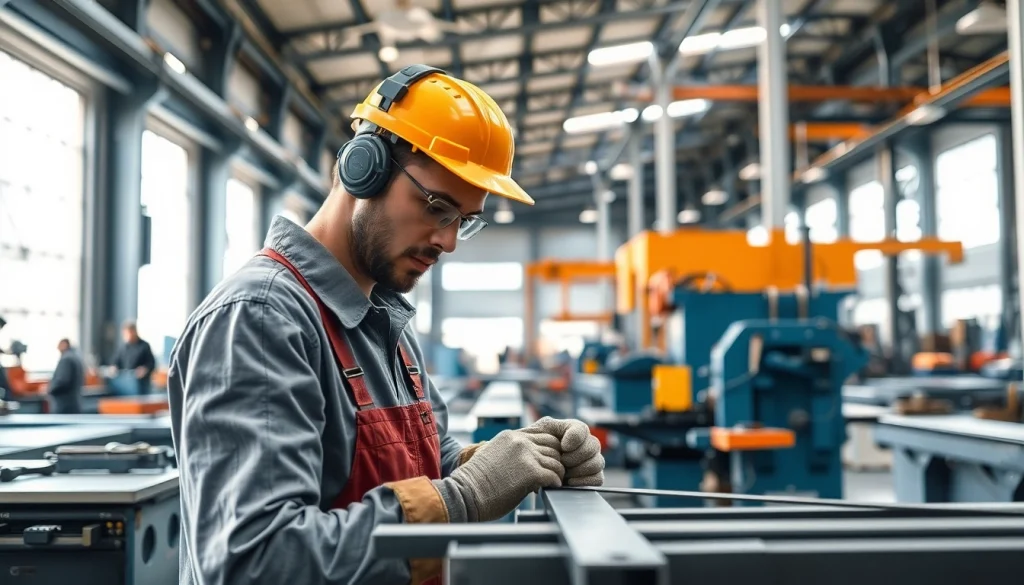
Understanding the Basics of Sheet Metal Training
What is Sheet Metal Training?
Sheet metal training is a specialized form of education that equips individuals with the skills required to work with sheet metal materials. This encompasses a range of processes, from cutting and shaping to assembling and finishing metal products. The training typically involves both theoretical and practical components, ensuring trainees understand not only the tools and techniques used in the industry but also the properties of various metals and how they can be manipulated. Whether aspiring to become a fabricator, welder, or installer, those pursuing sheet metal training will gain invaluable skills that are critical within this versatile field.
The Importance of Skills in Sheet Metal Work
Skills acquired through sheet metal training are paramount for anyone looking to excel in this industry. Mastery in sheet metal work allows professionals to create products ranging from HVAC ductwork to intricate architectural features. Without the right skills, individuals may struggle to meet the precision and quality standards demanded by the industry. In fact, the ability to produce high-quality work can directly affect job performance, reputation, and long-term career success.
Overview of Common Techniques and Tools
A comprehensive sheet metal training program will introduce learners to a variety of techniques and tools essential for the trade. Common techniques include punching, bending, and welding, used to shape metal into desired forms. Tools range from hand-held devices, such as snips and hammers, to advanced machinery like laser cutters and CNC machines. Familiarity with these techniques and tools not only enhances productivity but also ensures safety and precision in the work performed.
Essential Skills Gained Through Sheet Metal Training
Technical Skills in Metal Fabrication
Technical skills are at the core of sheet metal training. Trainees learn how to read technical drawings, operate machinery, and employ various fabrication techniques, such as forming and joining processes. This knowledge is critical for producing components that meet strict specifications. Skills in fabrication also involve understanding metal properties and how they react to different processes, ensuring quality and durability in finished products.
Safety Protocols in Sheet Metal Work
Safety is a crucial aspect of sheet metal training. Trainees are educated on the proper safety protocols to follow while working with heavy machinery and sharp tools. This includes wearing appropriate personal protective equipment (PPE), understanding hazards associated with metalworking, and practicing emergency procedures. By prioritizing safety, individuals minimize risks of injury and contribute to a safer workplace environment.
Reading and Interpreting Blueprints
Reading and interpreting blueprints is another valuable skill gained through sheet metal training. Professionals are taught to understand symbols, dimensions, and specifications represented on technical drawings. This skill is vital for ensuring that projects are completed accurately and efficiently, as it bridges the gap between design and construction. Being able to translate blueprints into reality is a hallmark of a skilled sheet metal worker.
Advanced Techniques in Sheet Metal Training
Welding Practices for Sheet Metal
Welding is a fundamental technique in sheet metal work, allowing for the joining of different metal pieces. Advanced sheet metal training includes various welding practices, such as MIG, TIG, and spot welding. Each method has its specific applications and advantages, thus providing students with a breadth of knowledge. Understanding these techniques enhances a professional’s versatility and ability to tackle diverse projects.
Using CNC Machines in Metal Shaping
Computer Numerical Control (CNC) machines have revolutionized the sheet metal industry, enabling high precision and automation in metal shaping. Training programs often cover the operation of these machines, including programming and troubleshooting. Students learn how to create complex shapes and designs that would be challenging to accomplish by hand, which enhances productivity and efficiency in metal fabrication.
Custom Fabrication and Design Principles
Advanced sheet metal training also delves into custom fabrication and design principles. Aspiring professionals learn how to create unique parts that meet specific customer requirements. This includes understanding various design software and techniques to ensure products are not just functional but also aesthetically pleasing. Skills in custom fabrication allow professionals to stand out in a competitive market by offering personalized solutions.
How to Choose the Right Sheet Metal Training Program
Accreditation and Quality Indicators
Choosing the right sheet metal training program is critical for aspiring professionals. Look for programs that are accredited by recognized bodies, as this often indicates a high-quality curriculum and qualified instructors. Quality indicators may also include successful graduate employment rates and partnerships with industry professionals, which can enhance the learning experience and job placement opportunities.
Hands-On Experience vs. Theoretical Learning
When evaluating training programs, consider the balance between hands-on experience and theoretical learning. Programs that offer a significant amount of practical training often provide a more comprehensive learning experience. Practical skills developed through real-world applications are essential for building confidence and proficiency in the trade. Seek out programs that emphasize experiential learning through labs, workshops, or internships.
Cost Considerations for Training Programs
The cost of sheet metal training programs can vary widely based on location, program length, and the resources offered. It’s essential to weigh the cost against the quality of education provided. Look for programs that offer financial aid or flexible payment options to help alleviate the financial burden while ensuring a valuable educational investment.
Future Opportunities After Sheet Metal Training
Career Paths for Trained Sheet Metal Professionals
After completing sheet metal training, individuals can access various career paths. Common roles include sheet metal worker, fabricator, installer, and welder. Many professionals also choose to specialize in specific areas, such as HVAC installation or custom fabrication, elevating their expertise and marketability. Additionally, there are opportunities to advance into supervisory or management positions as one gains experience in the field.
Industry Demand and Job Stability
The demand for skilled sheet metal professionals remains strong, thanks in part to ongoing construction, manufacturing, and renovation projects. This demand translates into job stability and potential for growth. Industries such as automotive, aerospace, and HVAC continue to require trained workers who can deliver quality craftsmanship and innovative solutions, ensuring a robust job market for graduates of sheet metal training programs.
Continuing Education and Certifications
Continuing education is vital for sheet metal professionals looking to advance their careers. Pursuing additional certifications can enhance one’s credentials and open doors to specialized roles. Certification programs often cover advanced techniques or specific industry standards. Lifelong learning not only keeps skills current but can also provide a competitive edge in the job market.
Frequently Asked Questions
What can I expect from sheet metal training?
Sheet metal training typically includes hands-on experience with tools, techniques, and safety protocols while providing a comprehensive understanding of metal properties and fabrication processes.
How long does sheet metal training take to complete?
The duration of sheet metal training programs varies but generally ranges from a few months to two years, depending on the depth and type of certification sought.
Are there job opportunities after completing sheet metal training?
Yes, upon completing sheet metal training, individuals can pursue various career paths in manufacturing, construction, and specialized fabrication roles, where skilled labor is in demand.
What safety measures are taught during training?
Training includes comprehensive safety protocols, such as the proper use of PPE, hazard identification, and emergency procedures to minimize the risk of injury during metalworking tasks.
Can I specialize in a specific area after training?
Absolutely! After completing sheet metal training, professionals can specialize in fields like HVAC installation, ornamental metalwork, or custom fabrication to enhance their career prospects.