Introduction to Island Light Fixtures
Definition and Purpose
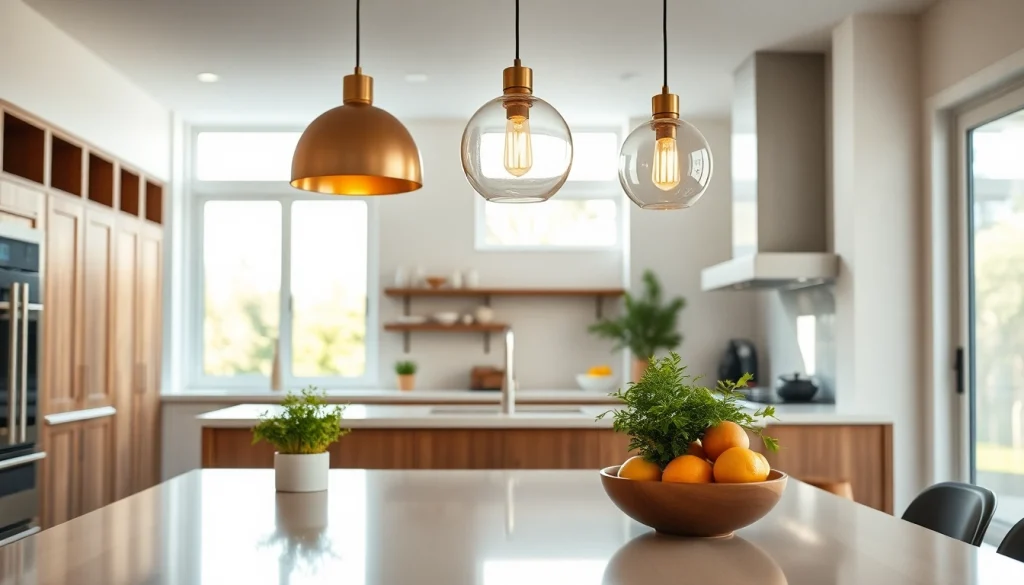
Island light fixtures are specialized lighting installations designed to illuminate specific areas, most commonly kitchen islands, dining tables, or bar counters. These fixtures not only serve the practical purpose of providing light but also enhance the ambience and aesthetic appeal of a room. Typically suspended from the ceiling, they can feature various designs, sizes, and materials, allowing homeowners to select fixtures that complement their interior décor while offering sufficient illumination. By incorporating island light fixtures, spaces can transform from mundane to visually captivating.
Importance in Interior Design
The significance of island light fixtures in interior design cannot be overstated. Beyond their functional role, they act as focal points in a room, creating an inviting atmosphere that encourages social interaction. Strategically placed island light fixtures can delineate spaces, drawing attention to culinary masterpieces or providing illumination for intimate gatherings. They also seamlessly integrate with various design styles, be it contemporary, rustic, or industrial, thereby enhancing the overall appeal of the living environment.
Overview of Styles Available
Island light fixtures come in an array of styles and designs, catering to diverse tastes and preferences. Some popular styles include:
- Modern: Characterized by sleek lines and minimalist designs, modern island light fixtures often use materials like glass and metal.
- Farmhouse: These fixtures incorporate rustic elements, often featuring wooden accents or vintage-inspired designs.
- Industrial: Typically utilizing raw materials and exposed bulbs, industrial fixtures add an edgy, urban touch to any space.
- Chandeliers: Offering elegance and sophistication, chandelier-style fixtures are perfect for formal dining areas or grand kitchens.
- Pendant Lights: A versatile option that comes in various designs, pendant lights can be arranged in groups or used solo for impactful lighting.
Benefits of Using Island Light Fixtures
Enhancing Ambiance and Aesthetics
Island light fixtures significantly enhance the ambiance of a room by providing focused lighting that can be adjusted to suit different activities. For instance, a dimmer switch can create a soft glow for cozy dinners or be cranked up for vibrant gatherings. The aesthetics of these fixtures also add character and charm, serving as art pieces that can complement the room’s overall design. A thoughtfully selected fixture can tie together various design elements, making the room harmonious and visually pleasing.
Practical Lighting Solutions
In addition to their aesthetic value, island light fixtures provide practical lighting solutions that address common challenges in lighting design. They offer task lighting for cooking, entertaining, or working, ensuring that these tasks are performed efficiently. Furthermore, by illuminating work surfaces and gathering spots, they promote safety and functionality, essential for any kitchen or dining area. Choosing the right fixture can fill lighting gaps left by overhead fixtures, ensuring every corner of the space is well lit.
Customization Options
One of the unique advantages of island light fixtures is the customization options available to homeowners. With various designs, sizes, colors, and finishes, they can be tailored to fit specific needs and tastes. For example, adjustable pendant fixtures allow homeowners to alter the height based on the ceiling height or the activity being performed. Moreover, the ability to mix and match different styles can create a personalized lighting environment that reflects individual preferences and enhances the overall decor.
Choosing the Right Island Light Fixtures
Room Size and Ceiling Height Considerations
When selecting island light fixtures, it’s crucial to consider the size of the room and the height of the ceiling. For smaller spaces, fixtures that are overly large can overwhelm the environment, while tiny fixtures can get lost in expansive ceilings. Ideally, the bottom of the fixture should hang 28 to 34 inches above the countertop or table surface to prevent obstructing views and ensure optimal lighting. Additionally, the type of lighting fixture should correlate with the scale of the room to maintain balance and harmony.
Material and Finish Selection
The material and finish of island light fixtures significantly impact the overall look and feel of a space. Common materials include glass, metal, and wood, each offering unique aesthetics and durability. For instance, glass fixtures can introduce a modern flair, while wooden fixtures can invoke warmth and rustic charm. The finish also matters; matte finishes blend seamlessly into a design scheme, while polished or shiny metals can act as statement pieces. Homeowners should also consider the maintenance associated with each material to ensure longevity and ease of care.
Functional vs. Decorative Features
A vital step when choosing island light fixtures is determining the balance between functionality and decoration. While some fixtures serve purely as decorative items, others also provide essential lighting for daily tasks. Assessing your needs allows you to select a fixture that aligns with your lifestyle. For instance, if cooking or food prep is frequently done on the counter, a fixture with a wide beam spread may be desirable. Conversely, for purely aesthetic purposes, a striking chandelier might suffice, providing artistic flair and ambient light.
Installation Tips for Island Light Fixtures
Preparing Your Space for Installation
Prior to installation, it’s essential to prepare your space adequately. This includes turning off the electricity to the area where the fixture will be mounted to ensure safety. Clear the area of any obstacles that may hinder the process, and lay down a protective covering to catch any debris. If replacing an old fixture, remove it carefully, ensuring you note how the wiring was configured, which will aid in installing the new light fixture correctly.
Safety Measures to Follow
Safety is paramount when installing island light fixtures. Always use insulated tools and avoid working in damp areas to minimize electrical hazards. Wear safety goggles to protect your eyes from falling debris, and ensure your ladder is stable when working at heights. If in doubt about wiring methods or if electrical issues arise, it’s advisable to consult with or hire a professional electrician to avoid potential dangers.
Wiring Considerations and Best Practices
When it comes to wiring, using the correct gauge wire and ensuring proper connections are critical for the fixture’s longevity and safety. Utilize wire connectors rated for the load of the fixture and follow local electrical codes. It’s best to ensure that all electrical connections are secured and insulated to prevent shorts or outages. Properly mounting the fixture to a ceiling junction box that can support its weight is also crucial for stability and safety.
FAQs About Island Light Fixtures
What are the best materials for island light fixtures?
Common materials include glass, metal, and wood, each offering unique styles and durability.
How high should island light fixtures be hung above counters?
A height between 28 to 34 inches above the counter is recommended for optimal lighting.
Can I install island light fixtures myself?
Yes, installation is possible with basic tools but consider hiring a professional for complex setups.
What styles complement island light fixtures?
Styles like modern, farmhouse, and industrial pair beautifully with island light fixtures.
Are LED island light fixtures energy-efficient?
Yes, LED fixtures are energy-efficient and provide long-lasting illumination.