
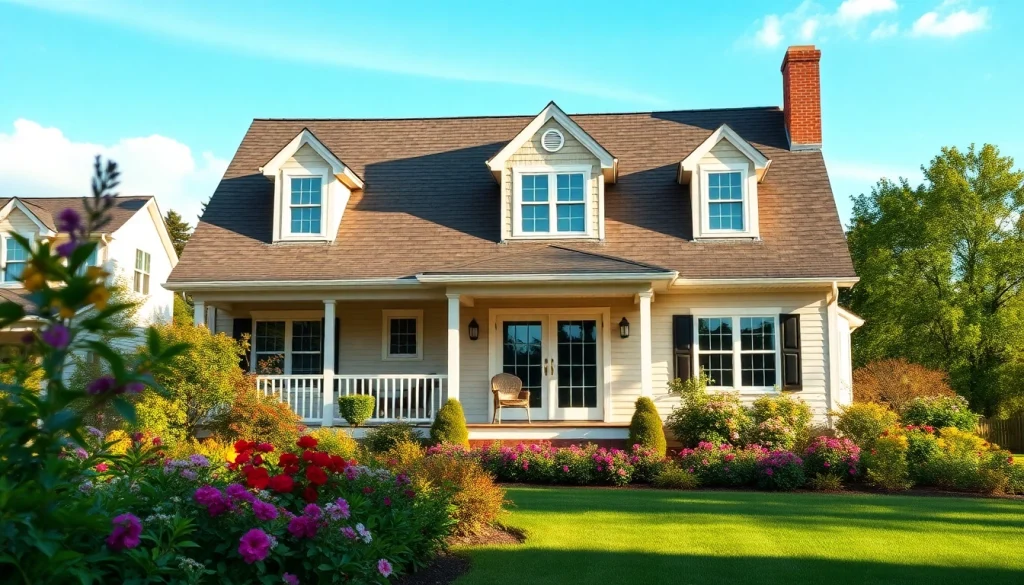
Understanding Cape Style Home In-Law Addition
Overview of Cape Style Architecture
Originating in the early colonial period, Cape style architecture is a beloved aesthetic that reflects the simplicity and functionality of New England homes. Characterized by a steeply pitched roof, symmetrical facades, and dormer windows, these homes are both charming and practical. The style emphasizes a narrow, rectangular layout, which has led to increased popularity among homeowners looking to maximize their living spaces. The inherent modesty in design allows for versatility, making it particularly suitable for in-law additions where the goal is to seamlessly integrate new spaces with existing structures. You can find more insights on the Cape Style Home In-Law Addition by exploring design inspirations and recommendations.
Design Elements of In-Law Additions
In-law additions require careful consideration of both architectural style and functionality. The key elements include:
- Exterior Aesthetics: The addition’s roofline should match the existing structure, maintaining consistent roof angles and pitches.
- Windows and Doors: Utilizing similar window styles and materials helps create a harmonious look. Transom windows can be an excellent choice for ensuring natural light.
- Materials: Using the same siding materials (wood, shingles, etc.) adds continuity to the design. Sustainability often plays a role here, with many opting for eco-friendly options.
Benefits of a Cape Style Home In-Law Addition
Adding an in-law suite not only increases property value but also enhances the overall functionality of a home. Benefits include:
- Multigenerational Living: It allows families to live together while maintaining privacy.
- Increased Property Value: Well-designed additions often yield a good return on investment.
- Customizable Spaces: Homeowners can tailor layouts to fit their unique needs, such as creating accessible bathrooms or kitchens.
- Flexibility: They can serve various functions over time, from guest suites to rental units or office spaces.
Planning Your Cape Style Home In-Law Addition
Assessing Your Space and Needs
Before embarking on your in-law addition journey, it’s crucial to assess your existing space. Consider the following:
- Available Land: Is there enough space to accommodate a new structure without compromising existing landscaping?
- Family Needs: Evaluate how many people will inhabit the addition and their specific needs (e.g., accessibility, number of rooms).
- Future Considerations: Will the addition meet your family’s needs in the coming years, or might it require modifications?
Choosing the Right Materials
Material selection is important for ensuring the longevity and aesthetic appeal of your addition. Recommendations include:
- Sustainable Materials: Opt for eco-friendly options like reclaimed wood or sustainable siding to minimize environmental impact.
- Local Sourcing: Use materials sourced locally to maintain regional integrity and support local industries.
- Weather Resistance: In climates that experience harsh weather, select durable materials that can withstand extremes.
Budget Considerations for Additions
Understanding the financial commitment involved in a home addition is vital. Key components of your budget should include:
- Construction Costs: Hiring skilled contractors is non-negotiable; ensure you receive detailed estimates.
- Permitting Fees: Research local regulations to anticipate costs associated with permits and inspections.
- Interior Furnishings: Budget for furniture, appliances, and decor that will outfit your new space for functionality and comfort.
Designing Your Cape Style Home In-Law Addition
Balancing Aesthetics and Functionality
In-law suites need to strike a balance between visual appeal and practical use. Design strategies include:
- Open Layouts: Incorporating an open-concept layout can create a feeling of spaciousness, while designated areas can ensure privacy.
- Strategic Storage: Built-in storage solutions minimize clutter while maximizing usability.
- Outdoor Access: Consider adding private entry points or outdoor spaces like small patios or porches for added charm and convenience.
Incorporating Modern Amenities
Modern technology and amenities can significantly enhance the functionality of an in-law addition:
- Smart Home Features: Consider smart lighting, heating controls, and security systems that promote safety and convenience.
- Energy-Efficient Appliances: Upgrading to energy-efficient appliances can significantly reduce utility costs while benefiting the environment.
- Accessible Design: Ensure your addition integrates universal design principles, making it easy for all family members to access and utilize the space effectively.
Enhancing Accessibility in Design
One of the significant aspects of in-law additions is ensuring they are accessible to everyone, including those with mobility challenges. Essential elements include:
- Wide Doorways: Ensure doors are wide enough to accommodate wheelchairs and walkers.
- Single-Level Living: Minimizing stairs can make navigation easier. If stairs are unavoidable, consider installing a stairlift.
- Accessible Bathrooms: Design bathrooms with grab bars, roll-in showers, and raised toilet seats for enhanced comfort and safety.
Expert Tips for Your Cape Style Home In-Law Addition
Finding Reliable Contractors
Choosing the right contractor can make or break your addition project. Consider the following:
- Experience: Look for contractors with a solid background in custom home additions, specifically in Cape style.
- References: Request references and review previous projects to gauge their reliability and output.
- License and Insurance: Ensure your contractor is licensed and carries adequate insurance to safeguard both parties.
Adhering to Local Regulations
Each township has its regulations regarding home additions. Key considerations include:
- Zoning Laws: Research the local zoning ordinances that dictate where you can build on your property.
- Building Codes: Familiarize yourself with safety codes pertaining to construction methods, electrical wiring, and plumbing installations.
- Permits: Obtain all necessary permits before commencing work to avoid fines and ensure compliance.
Best Practices for Energy Efficiency
Sustainability is an increasingly important consideration for homeowners. Implement these strategies for energy efficiency:
- High-Quality Insulation: Proper insulation can prevent heat loss in winter and keep your addition cool in summer.
- Energy Star Windows: Invest in double or triple-pane windows to enhance thermal regulation.
- Solar Energy: Consider solar panels or hybrid energy solutions to reduce overall energy consumption.
FAQs about Cape Style Home In-Law Addition
What is a Cape Style Home In-Law Addition?
A Cape Style Home In-Law Addition is a secondary living space seamlessly integrated into an existing Cape style home, designed for family members. It prioritizes functionality and adherence to the home’s architecture.
How much does a Cape Style Home In-Law Addition cost?
The cost varies widely depending on size, materials, and location. On average, homeowners can expect to invest anywhere from $100,000 to $300,000 for a well-designed addition.
Can I design a Cape Style Home In-Law Addition on my own?
While DIY design is possible, hiring a professional architect ensures structural integrity, adherence to regulations, and aesthetic compatibility with your existing home.
What are the zoning regulations for such additions?
Zoning regulations differ by municipality, often dictating the size, location, and appearance of additions. Consulting local zoning boards can provide clarity on requirements.
How can I ensure my addition matches the main house?
Choose similar materials, colors, and architectural features for the addition as exist in the main house. Consulting a designer can help harmonize aesthetic elements effectively.