
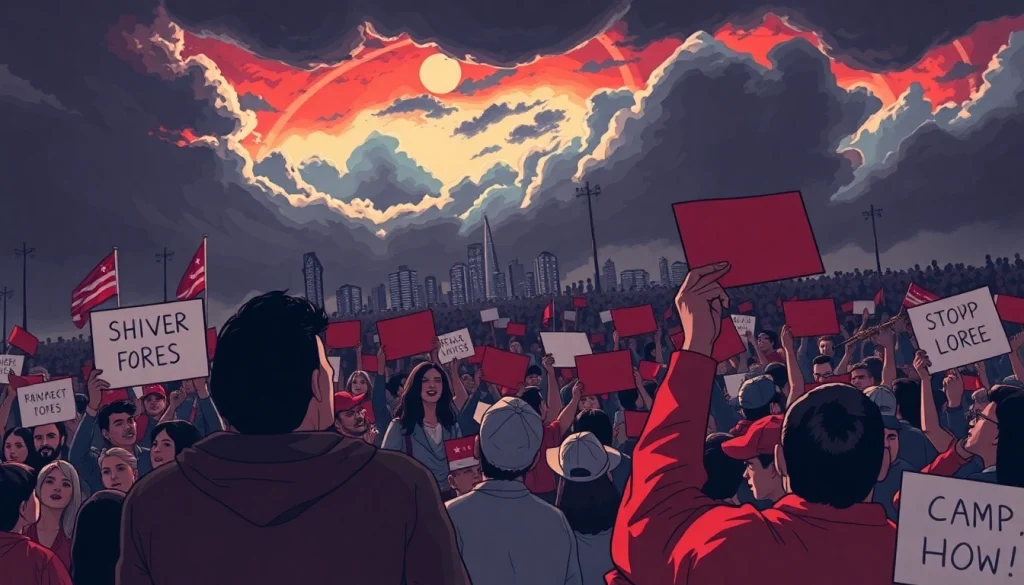
Understanding the Concept of Politics Thieves and Bullets
The intersection of politics, crime, and violence is an extensive and often contentious topic that encapsulates the darker sides of power. Under the umbrella of Politics Thieves and Bullets, we delve deep into the complex web where political figures may resort to theft, deception, and even violence to maintain their grip on power or to achieve their goals. This discussion seeks to explore the implications of these actions on society and the governing systems in place.
Defining Key Terminology
Before diving into the details, it’s essential to define some key terminology associated with this discourse. Politics itself generally refers to the set of activities related to gaining and using power in a government or similar authority. When we speak of “thieves” in a political context, it can pertain to corrupt officials, unethical politicians, or any persons who exploit their power for personal gain. “Bullets,” on the other hand, signify the use of force—whether metaphorical or literal—in achieving political ends.
The Historical Context of Political Thievery
Throughout history, political thievery has manifested in various forms, from bribery and election fraud to outright assassination. Ancient civilizations often had corrupt leaders who would siphon resources for personal lavish lifestyles or manipulate systems to stay in power. The infamous practices of cleptocracy—where the elites exploit their position to gather wealth—occurred in empires like Rome and Greece, and such behaviors persist today in many cultures across the globe.
Exploring the Role of Force in Politics
The utilization of force as a tool in politics is a critical aspect to explore. From revolutionary uprisings to state-sponsored violence against dissenters, the connection between force and political action is evident. Understanding how and why force is used can help unearth the mechanisms of control that different regimes have imposed upon their citizens. Historical examples range from the French Revolution, which highlighted the populace’s revolt against its ruling class, to authoritarian regimes that silence opposition through violent measures.
The Dynamics of Power in Politics Thieves and Bullets
How Corruption Influences Political Landscapes
Corruption is a pervasive element that alters the political landscape in profound ways. It disrupts the trust citizens place in their representatives and erodes democratic institutions. By examining case studies from various nations, the detrimental effects of corruption become evident. Elections marred by bribery compromise the essence of democracy, effectively disenfranchising the electorate.
The Use of Violence as a Political Tool
Violence is often employed as a means to attain political aims in a range of contexts. For instance, in some regions, political parties resort to the intimidation of opponents, utilizing threats or physical violence to sway public opinion or ensure electoral success. Additionally, numerous regimes have utilized military force against their populations to quell dissent, showcasing a disturbing trend where bullets replace ballots.
Case Studies of Notable Incidents
Several pivotal incidents exemplify the gruesome ballet between politics, thievery, and violence. The assassination of political figures, such as the violent end of leaders who opposed tyrannical regimes, highlights the lengths to which power-hungry individuals will go. Instances in Latin America, for example, showcase how drug cartels and corrupt politicians often collaborate, leading to significant instability and loss of life.
Public Perception and Media Representation
The Media’s Role in Shaping Narratives
The media serves as the primary conduit for public information and, thus, plays a vital role in shaping perceptions surrounding politics, violence, and thievery. Investigative reporting often unveils corruption scandals, influencing public opinion and enabling accountability. However, sensationalism can also distort facts, leading to complacency or, conversely, public outrage without a proper foundation of truth.
Public Reactions to Political Scandals
How the public reacts to political scandals can significantly determine the trajectory of political discourse. Instances of widespread corruption often provoke strong sentiments that can either galvanize a movement for reform or lead to public apathy. Popular movements, such as those seen during the Arab Spring, exemplify how public outcry against political theft and violence can lead to substantial changes, even when initially faced with resistance.
Comparative Analysis of Global Perspectives
The perception of politicians and political theft varies significantly across cultures and political systems. In some countries, political corruption is so ingrained that the public has normalized it, while in others, there is a strong push for transparency and accountability. By comparing differing global perspectives, we can glean insights into how societal values shape the understanding and implications of political thievery and violence.
Implications for Governance and Society
Impact on Democratic Processes
Corruption and violence have immediate repercussions on democratic systems. The integrity of elections, legislative functions, and the rule of law can be compromised severely by systemic corruption. When political processes are undermined by such acts, the legitimacy of the governance system is called into question, leading to a cycle of distrust and disengagement among the citizenry.
Societal Consequences of Corruption
The impacts of political theft extend far beyond the political realm; they significantly affect societal structures and wellbeing. Societal divisions can deepen as groups view governance through a lens of distrust or inequity, leading to polarization and unrest. Corruption also diverts essential resources, ultimately stunting economic and social development, leaving citizens further disenfranchised.
The Need for Accountability and Transparency
To combat the pervasive effects of political thievery and violence, there is a dire need for strict accountability measures and transparent governance. Legal frameworks to prevent corruption, combined with an active civil society, can reinforce democratic processes and restore public trust. Mechanisms such as audits, whistleblower protections, and public oversight can create an environment where ethical governance thrives.
Future Outlook on Politics Thieves and Bullets
Predicting the Evolution of Political Corruption
As political landscapes shift due to global trends, technology, and changing societal values, predicting the evolution of political corruption becomes challenging yet necessary. Advances in technology may offer new avenues for both corrupt practices—through sophisticated means of deceiving the public—and for fostering transparency and accountability through blockchain technology and increased access to information.
Strategies for Combatting Political Violence
Addressing political violence requires multi-faceted strategies, including diplomatic interventions, community engagement, and education. Efforts to foster dialogue and understanding among competing factions can mitigate the instinct to resort to violence. Additionally, promoting a culture of peace and respect for human rights can help create environments less susceptible to political violence.
The Role of Activism in Reforming Politics
Activism remains a vital force in reforming political systems plagued by theft and violence. Grassroots movements have the potential to drive systemic change by promoting awareness, mobilizing public opinion, and holding political figures accountable. Through sustained commitment and the power of collective action, citizens can challenge the status quo and redefine political norms toward a more ethical framework.