
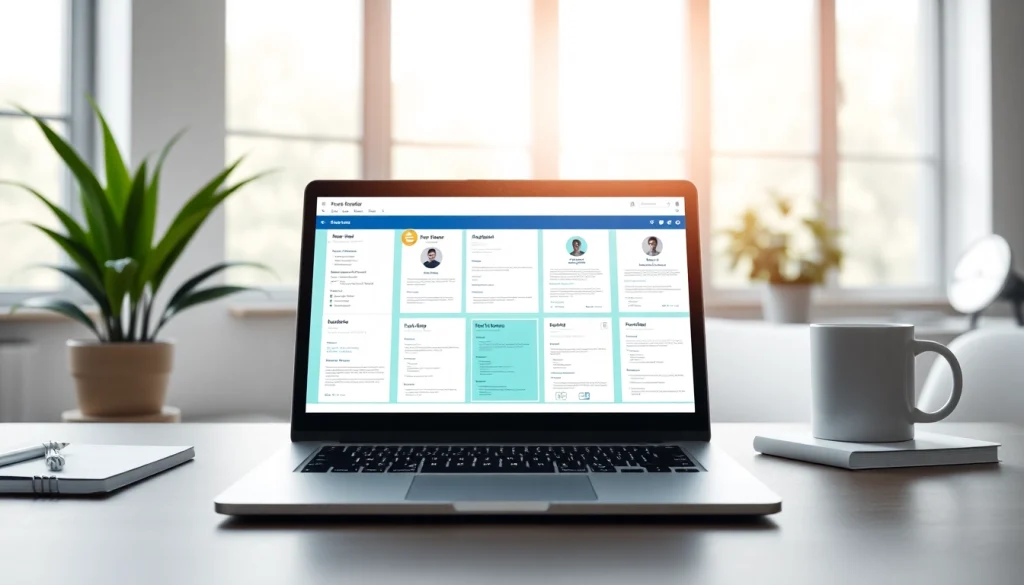
Understanding the Importance of a Strong Resume Builder
In today’s competitive job market, crafting a compelling resume is essential for job seekers. A well-structured and visually appealing resume can significantly increase your chances of landing an interview. Utilizing a Resume Builder is a strategic way to create a standout resume. These tools simplify the process, offering templates and guidance tailored to various industries and career levels.
Why Every Job Seeker Needs a Resume Builder
With the vast amount of information that a job seeker needs to convey, utilizing a resume builder is no longer just an option but a necessity. Modern resume builders provide intuitive platforms that guide users through each step, ensuring that key information is highlighted effectively. This not only saves time but also reduces the stress of formatting and content placement. Furthermore, many resume builders are designed to be applicant tracking system (ATS) friendly, ensuring that your resume can easily pass through initial screenings by potential employers.
Key Features to Look for in a Resume Builder
When selecting a resume builder, it’s crucial to consider various features to ensure it meets your needs. Look for tools that offer customizable templates, as they allow you to align your resume with your personal brand. Include the ability to include sections like skills, experience, and education, ensuring all necessary information is covered. An integrated spell-check and grammar proofreading functionality can also enhance the professionalism of your resume. Additionally, built-in tips for effective language usage and action verbs can give your resume a significant edge over others.
The Impact of a Well-Crafted Resume on Job Applications
Research shows that recruiters spend an average of just a few seconds reviewing each resume. This makes the presentation and content of your resume vital; a well-crafted resume can capture attention swiftly and lead to further consideration. Moreover, when resumes are formatted according to industry standards and are tailored to specific job descriptions, they can help in emphasizing the candidate’s relevance to the position, increasing the likelihood of being selected for interviews.
Types of Resume Formats Supported by Resume Builders
Different resume formats serve different purposes and audiences, and understanding which type suits your experience is crucial. Most resume builders allow for multiple formats, making it easier for you to switch styles depending on your desired job or industry.
Exploring Traditional vs. Modern Resume Formats
Traditional resumes often follow a simple, chronological format, showcasing work history in reverse order. This format is best suited for those with a steady work history in a singular field. Modern formats may include visuals like graphs or infographics, appealing to creative industries. Selecting the appropriate format is essential; leveraging a resume builder that offers both types can help you adapt your resume accordingly.
When to Use Functional, Chronological, or Combination Formats
The functional format emphasizes skills and experience over a chronological listing of job titles, making it effective for those with varied work backgrounds or gaps in employment. The chronological format is best for those with consistent job growth in a single field, while the combination format merges the two, allowing candidates to showcase skills and accomplishments alongside employment history. Understanding when to use each format can make a significant difference in how hiring managers perceive your qualifications.
Customizing Your Resume Format for Different Industries
Each industry has its norms and expectations for resumes. For instance, creative fields like graphic design benefit from visually appealing resumes, while corporate jobs may favor more traditional layouts. A robust resume builder lets you select or customize formats suited for specific industries, ensuring that the resume aligns with what potential employers expect.
How to Maximize the Use of a Resume Builder
Using a resume builder effectively can translate to a more compelling presentation of your qualifications. Here’s how to ensure optimal use of these tools.
Step-by-Step Guide to Building Your Resume
Start with identifying the sections you want to include, such as objective, education, work experience, and skills. Many builders will provide this as a checklist. Follow the prompts to fill in your information, taking care to articulate your accomplishments with metrics where possible. Finally, using the preview feature, review and adjust the layout until satisfied. This systematic approach will help ensure no important details are missed.
Tips for Choosing the Right Template
Your choice of template can significantly impact how your resume is perceived. Opt for sleek, professional designs for corporate roles, while more creative and visually rich templates may be more appropriate for design-heavy industries. Always consider readability; resumes packed with excessive colors or fonts can detract from the message you’re trying to convey.
Incorporating Keywords for ATS Optimization
Many employers use ATS to screen resumes; incorporating industry-specific keywords is vital. Review the job description for important terms and integrate them naturally into your resume. Tools like resume builders often come with suggestions for commonly searched terms related to your field, further enhancing your resume’s chances of ranking higher during the recruitment process.
Common Mistakes to Avoid When Using a Resume Builder
While resume builders simplify the process of creating a resume, common pitfalls can undermine your efforts. Here are mistakes to be aware of when using these tools.
Overloading Your Resume with Information
While it may be tempting to include every detail of your career, a cluttered resume can overwhelm recruiters. Focus on relevant experiences and accomplishments, presenting them succinctly to maintain clarity. A good rule of thumb is to only include experiences that are directly applicable to the position to which you are applying.
Neglecting Design Consistency
Consistency in design helps maintain a professional appearance. Ensure that fonts, colors, and bullet points are uniform throughout your resume. A well-structured and aesthetically pleasing resume allows your qualifications to shine through rather than being overshadowed by inconsistencies.
Failing to Tailor Your Resume for Each Job Application
A one-size-fits-all approach rarely works in today’s job market. Customizing your resume for each application by highlighting the most relevant skills and experiences can significantly increase your chances of catching an employer’s attention. Many resume builders allow easy modifications between versions, making this process streamlined.
Success Stories: Real-Life Examples of Effective Resumes
Examining successful resumes can provide insights into what works and why. Here are some inspiring examples of how well-crafted resumes have led to job success.
How a Professional Resume Led to Job Offers
Individuals who have utilized professional resume builders report increased interview rates. For instance, a freelance graphic designer, upon revamping their resume using a modern template, received multiple interview invitations within weeks. This highlights how the right approach can yield tangible results.
Before and After: Transforming Resumes Through Builders
Before adopting a resume builder, many candidates struggle with disorganized content and inconsistent formats. After restructuring their resumes through these tools, many have noticed changes in recruiter engagement, such as increased callbacks. This reinforces the value of using a resume builder.
Tips from Users Who Landed Their Dream Jobs
Former users of resume builders have shared their feedback, emphasizing the importance of clarity and visual appeal. Many recommend focusing on quantifiable achievements and ensuring that your resume communicates a compelling narrative that connects your experiences to the desired role.
Frequently Asked Questions (FAQs)
What is a resume builder?
A resume builder is an online tool that assists users in creating professional resumes by providing templates, layout options, and guidance for content.
Are online resume builders free to use?
Many resume builders offer free versions with basic features, while some may charge for premium templates or advanced functionalities.
How do I ensure my resume passes through ATS?
To ensure your resume passes through Applicant Tracking Systems, incorporate relevant keywords from the job description and use standard formatting without complex graphics.
Can I edit my resume after using a builder?
Yes, most resume builders allow users to edit their resumes at any time, enabling customization for different job applications.
Is it necessary to tailor my resume for each job application?
Yes, tailoring your resume for each job application enhances your chances of being selected, as it demonstrates fit and relevance to the specific position.