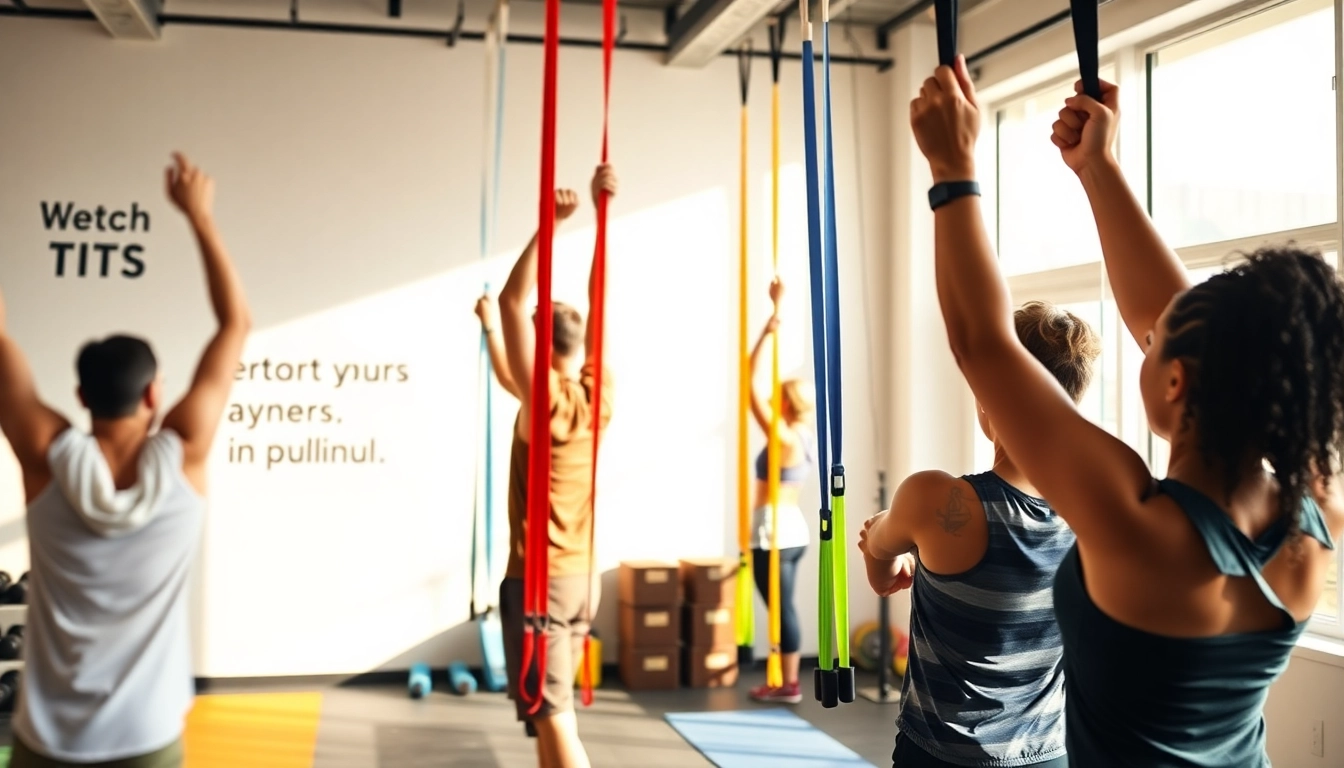
Understanding Stretch Bands for Pull-Ups
When it comes to enhancing your pull-up performance, stretch bands for pull-ups stand out as a versatile and effective tool. These elastic bands can be a game changer for anyone looking to improve their upper body strength, regardless of fitness level. Whether you are a beginner struggling with your first pull-up or an experienced athlete refining your technique, incorporating stretch bands into your training routine can yield significant benefits.
What are Stretch Bands and How Do They Work?
Stretch bands, also known as resistance bands, are thick rubber loops designed to provide varying levels of resistance during workouts. When using them for pull-ups, they are typically anchored beneath your feet or knees. As you pull yourself up, the band offers assistance by reducing the amount of body weight you're lifting, which can help you complete the movement with proper form and technique.
The Benefits of Using Stretch Bands for Pull-Ups
Using stretch bands for pull-ups provides numerous advantages:
- Assistance for Beginners: They help those who struggle with completing bodyweight pull-ups by providing support.
- Improved Technique: Bands allow users to focus on form without the intimidation of lifting their full body weight.
- Progressive Overload: Users can gradually decrease the assistance as they gain strength, moving from assisted to unassisted pull-ups over time.
- Versatility: Beyond pull-ups, these bands can be used for various exercises targeting different muscle groups, making them a multifunctional addition to your workout arsenal.
Choosing the Right Resistance Level for Your Goals
When selecting stretch bands for pull-ups, it's crucial to choose the appropriate resistance level. Bands usually come in color-coded options that denote their strength. Beginners may opt for lighter bands, while experienced users might benefit more from heavier bands as they progress. Assess your current strength level and set realistic goals to ensure you're selecting the right band for your needs.
Types of Stretch Bands for Pull-Ups
Different Materials and Their Durability
Stretch bands are typically made from latex or rubber materials. Latex bands are known for their elasticity and durability, making them a popular choice among fitness enthusiasts. Rubber bands may offer similar benefits but can wear out quicker. Understanding the material can help you choose a band that will withstand your training routines.
Variety of Resistance Levels: Which One Is Best?
When selecting bands, consider the respective resistance levels available. Here’s a breakdown of common resistance types:
- Light Resistance: Ideal for beginners or for rehabilitation exercises.
- Medium Resistance: Suitable for intermediate lifters looking to build muscle.
- Heavy Resistance: Best for advanced athletes focusing on strength training.
Brands to Consider for Quality Assurance
Not all bands are created equal. Brands such as Rogue Fitness, Rubberbanditz, and Fit Simplify offer high-quality options that have been tested for durability and performance. When investing in stretch bands, prioritize reputable brands to ensure that you’re getting a reliable product.
Techniques for Incorporating Stretch Bands into Your Workout
Step-by-Step Guide to Band-Assisted Pull-Ups
Here’s how to perform band-assisted pull-ups effectively:
- Choose the appropriate resistance band and secure it under your feet or knees.
- Grip the pull-up bar with your palms facing away from you, hands shoulder-width apart.
- Engage your core and pull yourself upwards, allowing the band to assist your movement.
- Slowly lower yourself back down, maintaining control throughout.
Common Mistakes to Avoid While Using Bands
Here are some common pitfalls to avoid:
- Using a band that’s too strong, making the exercise too easy.
- Neglecting to focus on form, which can lead to injury.
- Failing to progressively decrease band assistance as strength improves.
Integrating Bands into a Full-Body Workout Routine
Stretch bands can and should be integrated into a full-body workout regimen. Pair them with lower-body exercises, such as squats and lunges, to create a balanced routine that targets multiple muscle groups. This not only enhances strength but also increases overall conditioning.
Advanced Pull-Up Techniques Using Stretch Bands
Progressing from Assisted to Unassisted Pull-Ups
As you gain strength and confidence, start to reduce the assistance of your bands. Gradual progression can involve switching to a lighter band or using the band only for the first few repetitions before attempting unassisted pull-ups.
Combining Bands with Other Equipment for Enhanced Training
Consider integrating your bands with other fitness equipment, like weight vests or kettlebells, to add more complexity to your workouts. This approach can lead to improved muscle hypertrophy and functional strength.
Real-Life Success Stories: Transformations with Stretch Bands
Various athletes and fitness enthusiasts have shared their success stories of transforming their pull-up capabilities using stretch bands. For instance, many report starting from being unable to complete one pull-up to performing multiple unassisted repetitions within a few weeks through dedicated training with bands.
Future Trends in Resistance Bands for Pull-Ups
Innovative Materials and Tech Products in 2026
As the fitness industry evolves, expect to see advancements in resistance band technology. Innovations may include bands made from more durable materials with built-in monitoring systems to track your workouts and progress over time.
Expert Predictions on Fitness Trends with Bands
Fitness experts predict that the use of resistance bands in personal training and home workouts will continue to rise. They offer a cost-effective and space-saving solution for those looking to achieve their fitness goals without investing in extensive gym equipment.
How to Stay Updated on the Best Band Practices
Stay informed about the latest trends and best practices by following reputable fitness blogs, joining online communities, and attending fitness expos. This ongoing education will help you maximize your use of stretch bands in your workouts.